
Willow Tit on a Larch Branch
A small willow tit perches in a wintry coniferous forest near a larch branch and a wooden nesting box.

A4 format (portrait), black outlines on a white background · for home and classroom use
All coloring pages: Bird Coloring Pages
Similar coloring pages: Bird Coloring Pages
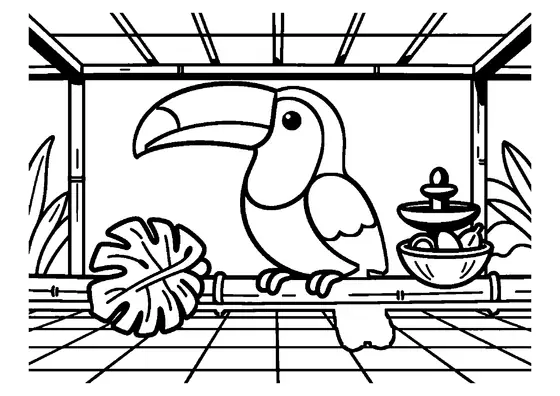

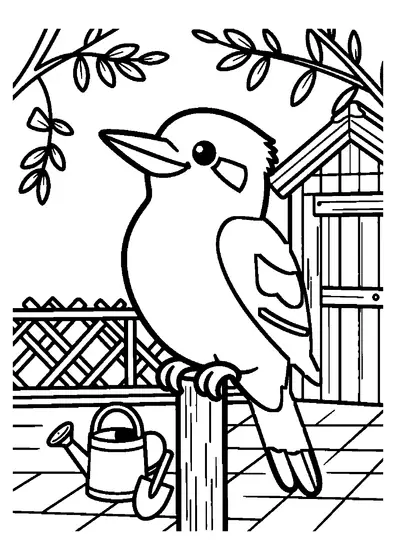
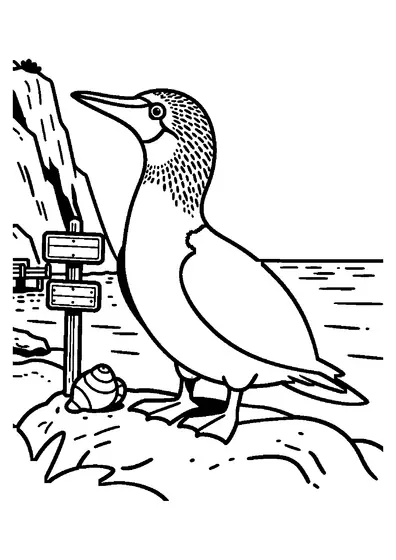
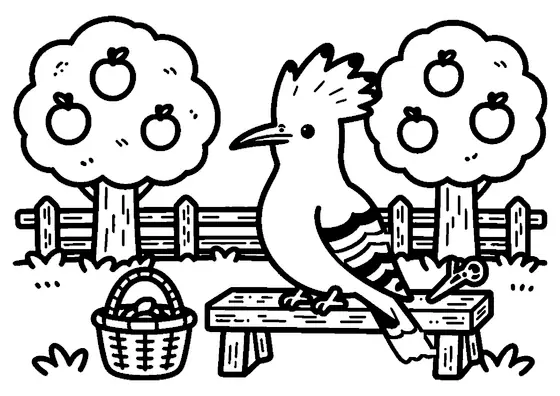
What else can you print? Free, no account needed
Custom Name Coloring Pages
Enter your child's name to generate a custom coloring page featuring large outline letters to color and decorate.
Open generator →Connect the Dots Generator
Eight connect-the-dots pictures across three difficulty levels. Features faint outline guides for younger children and dots only for older kids.
Open generator →Printables
Worksheets, tracing lines, mazes and dot-to-dots in A4.
Browse printables →
The Willow Tit in a Coniferous Forest
The willow tit is a small songbird adapted to cold woodland environments. In coniferous forests, these birds move among larch branches and frequently visit wooden nesting boxes for shelter during harsh winter months.
Surprising Facts About Willow Tits
Unlike many other birds, willow tits dig out their own nesting cavities in rotten wood using their stubby beaks. They also hide thousands of seeds throughout the forest in autumn to survive snowbound winters, remembering the locations months later.
Natural Colors of the Willow Tit
- Willow tit cap and bib: brownish black
- Willow tit cheeks: pale dull white
- Willow tit back and wings: grayish brown
- Larch branch bark: dark grayish brown
- Wooden nesting box: weathered brown timber