
Red-Fan Parrot at a Rainforest Field Station
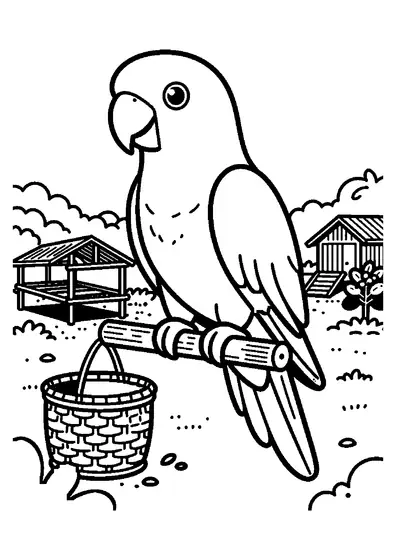
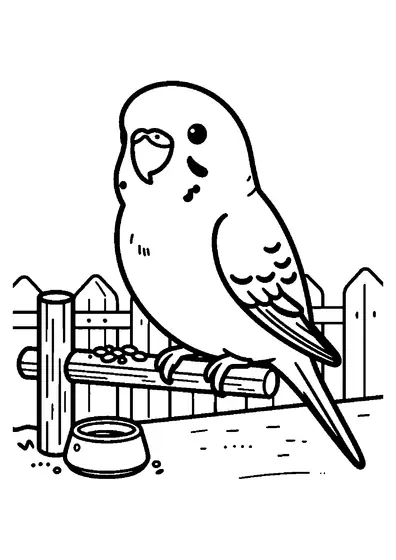
An exotic red-fan parrot visits an open-air tropical field station set beneath a sheltered roof.

A4 format (landscape), black outlines on a white background · for home and classroom use
All coloring pages: Parrot and Flamingo Coloring Pages
Similar coloring pages: Parrot and Flamingo Coloring Pages



What else can you print? Free, no account needed
Custom Name Coloring Pages
Enter your child's name to generate a custom coloring page featuring large outline letters to color and decorate.
Open generator →Connect the Dots Generator
Eight connect-the-dots pictures across three difficulty levels. Features faint outline guides for younger children and dots only for older kids.
Open generator →Printables
Worksheets, tracing lines, mazes and dot-to-dots in A4.
Browse printables →
Red-Fan Parrot at a Tropical Research Site
This illustration highlights a red-fan parrot spending time around an open-air rainforest field station. The tropical shelter provides cover over a wooden crate and a simple clay bowl placed nearby. Observing this unique bird in a research setting offers a glimpse into conservation work within lush jungle environments.
Intriguing Facts About the Red-Fan Parrot
Red-fan parrots, also known as hawk-headed parrots, possess distinctive neck feathers that raise into a dramatic crest when the bird feels threatened or excited. These native South American birds often forage for fruits and seeds near research outposts situated deep within the Amazon basin. Field stations in tropical rainforests rely on raised structures and natural clay vessels to collect rainwater and store supplies securely in humid conditions.
Natural Colors of the Red-Fan Parrot Scene
- Red-fan parrot neck crest: Bright red feathers edged with vibrant blue
- Red-fan parrot wings and body: Deep green plumage with subtle brown accents
- Clay bowl: Warm terracotta reddish-brown
- Tropical shelter structure: Natural timber brown and dried palm leaf green