
Long-Eared Owl on the Moorland
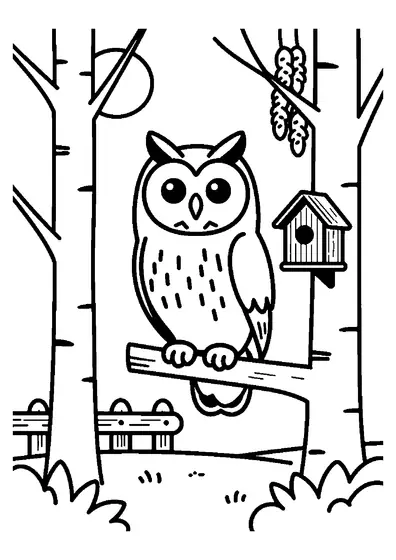
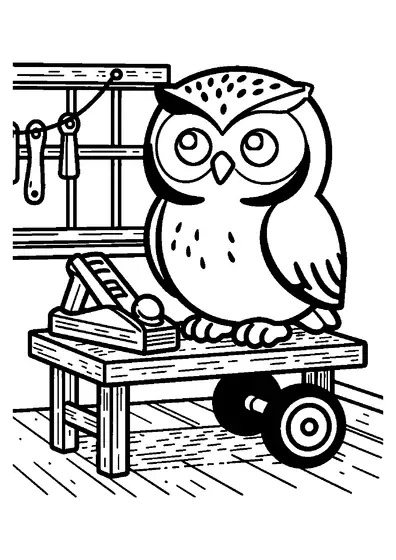
This scene depicts a long-eared owl on a rock across heather-covered moorland.

A4 format (portrait), black outlines on a white background · for home and classroom use
All coloring pages: Owl Coloring Pages
Similar coloring pages: Owl Coloring Pages




What else can you print? Free, no account needed
Custom Name Coloring Pages
Enter your child's name to generate a custom coloring page featuring large outline letters to color and decorate.
Open generator →Connect the Dots Generator
Eight connect-the-dots pictures across three difficulty levels. Features faint outline guides for younger children and dots only for older kids.
Open generator →Printables
Worksheets, tracing lines, mazes and dot-to-dots in A4.
Browse printables →
Long-Eared Owls on Open Moorlands
A long-eared owl stands on a rock beside a basket and a branch. The surrounding moorland features heather-covered hills, peat mounds, a path, and a stone circle in the background.
Wildlife and Vegetation of Moorland Ecosystems
Moorlands are dominated by low-growing heather shrubs that turn vibrant shades of purple during late summer. Long-eared owls often hunt over these damp landscapes at dusk, searching for small rodents near peat bogs. Ancient stone circles frequently stand on open moorlands, surviving as remnants of prehistoric human settlements.
Real Colors of Moorland Wildlife
- Long-eared owl plumage: warm brown and gray mix with dark streaking and yellow-orange eyes
- Heather-covered hills: deep green foliage topped with purple blossoms
- Peat soil: rich dark brown or black earth
- Stone circle boulders: weathered granite gray with green lichens
- Woven basket: natural tan or golden straw