
Barn Owl at a Cave Entrance
A heart-faced barn owl stands on a rocky ledge near fallen branches at the wide entrance of a natural limestone cave.

A4 format (portrait), black outlines on a white background · for home and classroom use
All coloring pages: Owl Coloring Pages
Similar coloring pages: Owl Coloring Pages
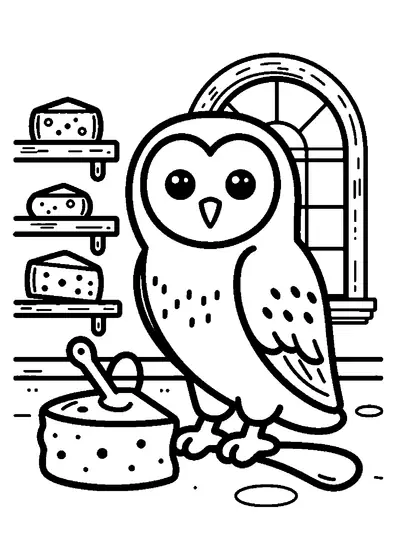


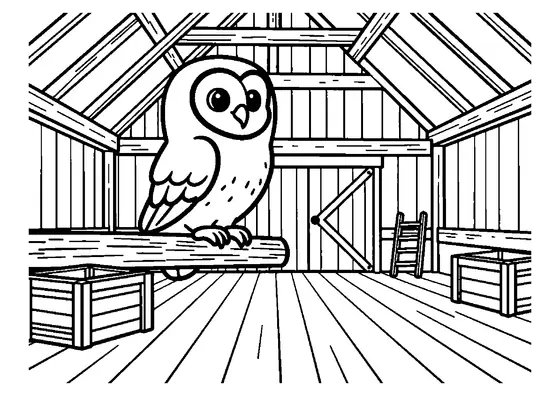


What else can you print? Free, no account needed
Custom Name Coloring Pages
Enter your child's name to generate a custom coloring page featuring large outline letters to color and decorate.
Open generator →Connect the Dots Generator
Eight connect-the-dots pictures across three difficulty levels. Features faint outline guides for younger children and dots only for older kids.
Open generator →Printables
Worksheets, tracing lines, mazes and dot-to-dots in A4.
Browse printables →
A Barn Owl at a Limestone Cave Entrance
Standing upon a large boulder, a barn owl rests near a fallen tree branch at the wide opening of a natural cave. Mineral formations and limestone rock walls frame the cavern entrance, leading from outdoor sunlight into deep subterranean shadows.
Cave Entrances and Barn Owl Roosts
Barn owls are famous for their heart-shaped facial discs, which collect sounds and direct them into their ears for precise night hunting. While barn owls commonly roost in barns and abandoned buildings, they also inhabit natural limestone caves, rock crevices, and cliff overhangs. Cave entrances provide cool, sheltered roosting sites protected from extreme weather and predators.
True Colors of a Cave Wildlife Scene
- Barn owl feathers: Golden-buff upperparts, heart-shaped white face, and pure white breast
- Limestone rock formations: Light gray, cream, beige, and mineral brown
- Fallen tree branch: Dark brown, mossy green patches, and weathered bark gray
- Cave interior shadows: Deep charcoal, slate gray, and dark earth tones