
Rail Sweeper Machine
A dedicated track cleaner train machine operates along rail lines to remove debris and maintain clean railway infrastructure.

A4 format (landscape), black outlines on a white background · for home and classroom use
All coloring pages: Train Coloring Pages
Similar coloring pages: Train Coloring Pages



What else can you print? Free, no account needed
Custom Name Coloring Pages
Enter your child's name to generate a custom coloring page featuring large outline letters to color and decorate.
Open generator →Connect the Dots Generator
Eight connect-the-dots pictures across three difficulty levels. Features faint outline guides for younger children and dots only for older kids.
Open generator →Printables
Worksheets, tracing lines, mazes and dot-to-dots in A4.
Browse printables →
Track Cleaner Machine with Front Rotary Brush
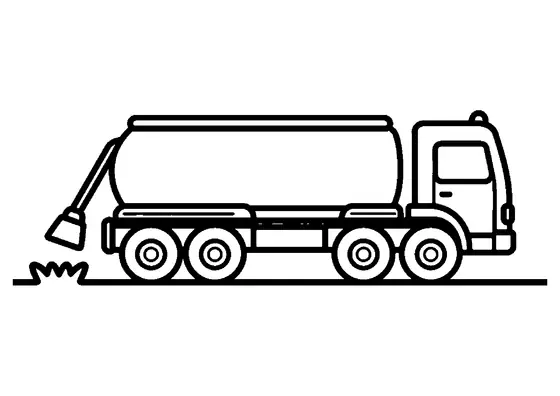
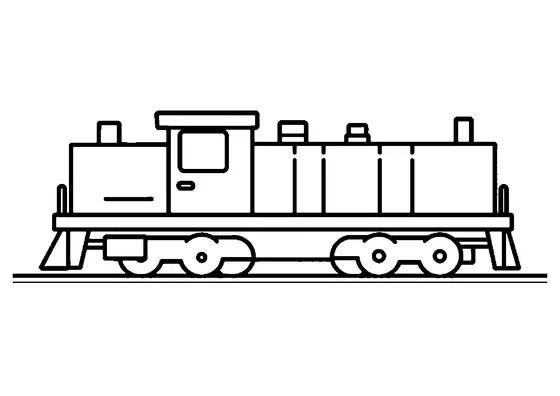
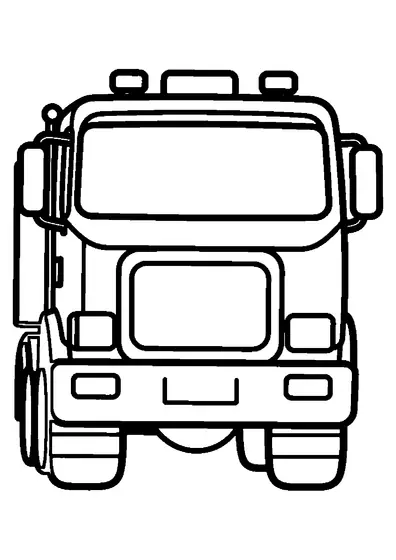
This railway sweeper vehicle is designed specifically for clearing debris from train tracks. Viewed from the side, the entire machine shows a driver cab positioned above the front section. A wide rotary brush mounted underneath the front helps sweep away leaves, dirt, and ballast dust during routine track maintenance.
How Railway Sweepers Keep Tracks Clear
Maintaining clean rails is essential for safe train operation, as accumulated dirt, fallen leaves, and gravel can reduce wheel traction. Industrial track sweepers use heavy-duty rotating brushes made from durable steel or synthetic bristles. As the machine travels at low speeds, the rotating action throws loose material away from the rail heads into collection hoppers or onto the shoulder.
Natural Colors of a Railway Sweeper
- Machine body and cab: Safety yellow or bright orange
- Large rotary brush bristles: Charcoal gray or metallic steel
- Driver cab windows: Tinted blue or clear glass
- Wheel assembly and undercarriage: Dark gray or industrial black