
Rail Inspection Vehicle with Antenna
This specialized track measurement vehicle inspects train tracks using dedicated roof sensors and wide cab windows.

A4 format (portrait), black outlines on a white background · for home and classroom use
All coloring pages: Train Coloring Pages
Similar coloring pages: Train Coloring Pages



What else can you print? Free, no account needed
Custom Name Coloring Pages
Enter your child's name to generate a custom coloring page featuring large outline letters to color and decorate.
Open generator →Connect the Dots Generator
Eight connect-the-dots pictures across three difficulty levels. Features faint outline guides for younger children and dots only for older kids.
Open generator →Printables
Worksheets, tracing lines, mazes and dot-to-dots in A4.
Browse printables →
Track Inspection Train Design
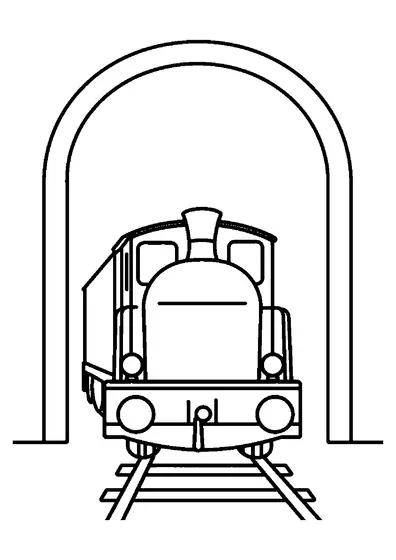
Rail measurement vehicles operate along railway tracks to assess the alignment and structural integrity of the steel rails. The front section features wide cabin windows that give operators a clear view of the tracks, while high-mounted headlights illuminate the path ahead. A prominent roof antenna enables continuous wireless communication and sensor data transmission back to central railway operations.
How Track Measurement Works
Track inspection vehicles use ultrasonic and laser measurement equipment to scan steel rails for microscopic cracks hidden beneath the surface. Detecting track irregularities early prevents derailments and ensures smooth traveling conditions for passenger trains. These diagnostic runs often take place during early morning hours when regular train schedules are light.
Real Colors of Track Vehicles
- Vehicle body: Yellow or bright orange for high visibility along active railways
- Cabin windows: Tinted glass appearing dark gray or blue-green
- Roof antenna: Metallic silver or black
- Headlights: Bright white or pale yellow when powered