
Narrow-Gauge Locomotive with a Railroad Car
A compact steam engine pulls a single freight car along narrow tracks equipped with wooden cross ties.

A4 format (landscape), black outlines on a white background · for home and classroom use
All coloring pages: Train Coloring Pages
Similar coloring pages: Train Coloring Pages
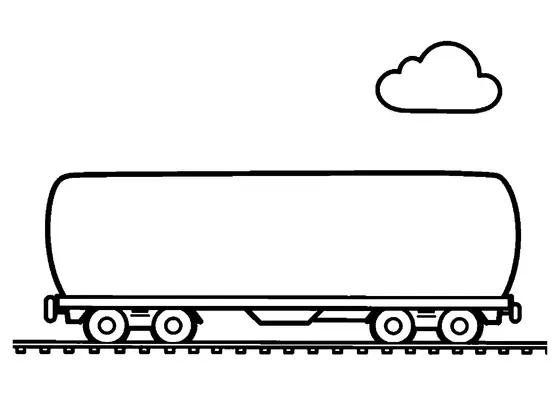


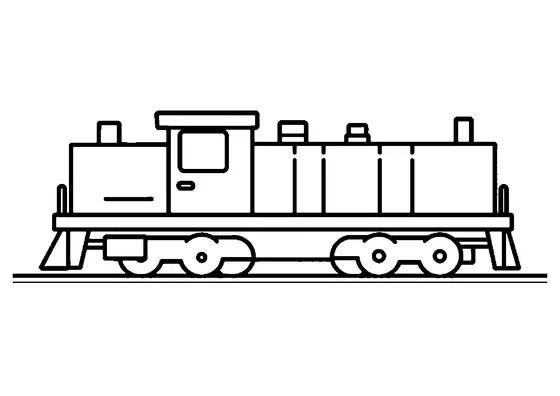
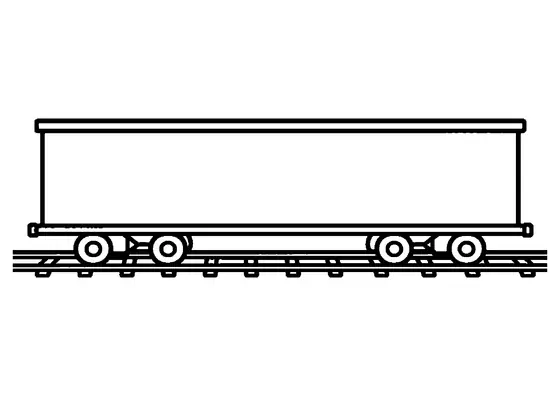
What else can you print? Free, no account needed
Custom Name Coloring Pages
Enter your child's name to generate a custom coloring page featuring large outline letters to color and decorate.
Open generator →Connect the Dots Generator
Eight connect-the-dots pictures across three difficulty levels. Features faint outline guides for younger children and dots only for older kids.
Open generator →Printables
Worksheets, tracing lines, mazes and dot-to-dots in A4.
Browse printables →
Small Steam Train on Narrow Tracks
The side profile features a small steam locomotive coupled to a single rectangular freight car. The entire train rests on railway tracks built with visible wooden ties beneath the steel rails. The compact engine leads the cargo container along the track line.
Historical Uses of Narrow Railroads
Narrow-gauge tracks measure less than the standard distance of four feet eight inches between rails. Industries like forestry, agriculture, and mountain mining favored these smaller railways because they were much cheaper to construct around sharp hillsides. Today, many surviving narrow-gauge lines operate as heritage tourist routes through scenic national parks.
Authentic Colors of Narrow-Gauge Trains
- Steam locomotive body: Matte black or dark green metal plating
- Freight car sides: Weathered reddish-brown timber or dark painted steel
- Boiler rivets and metal trim: Polished brass or copper accents
- Train wheels: Cast iron black with bright silver steel rims
- Wooden track ties: Dark brown timber treated with protective creosote