
Front of a Railcar on a Winter Day
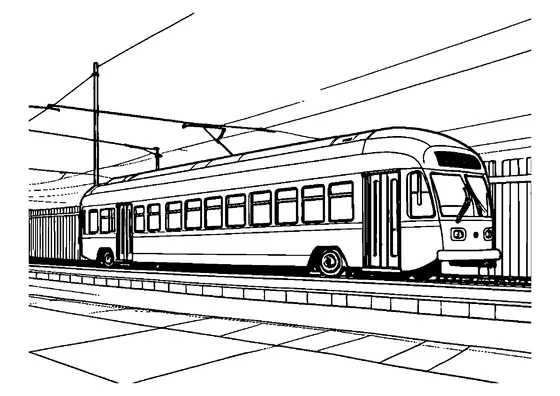
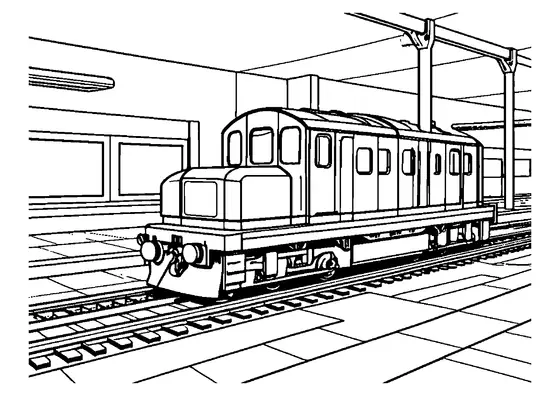
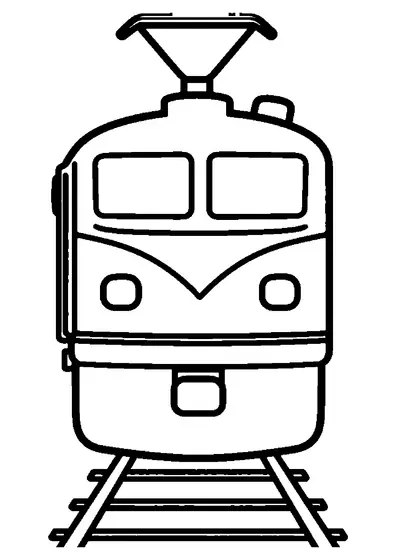
A railcar travels beside a station platform on a winter day, with a mountain range rising in the distance.

A4 format (portrait), black outlines on a white background · for home and classroom use
All coloring pages: Train Coloring Pages
Similar coloring pages: Train Coloring Pages



What else can you print? Free, no account needed
Custom Name Coloring Pages
Enter your child's name to generate a custom coloring page featuring large outline letters to color and decorate.
Open generator →Connect the Dots Generator
Eight connect-the-dots pictures across three difficulty levels. Features faint outline guides for younger children and dots only for older kids.
Open generator →Printables
Worksheets, tracing lines, mazes and dot-to-dots in A4.
Browse printables →
What the winter railcar scene presents
The railcar is viewed from the front and along one of its long sides as it moves on the tracks. Large front windows and headlights are prominent on the vehicle. A section of the station platform canopy stands to the right, and the distant mountain range forms the background. The railway route, station structure, and mountains place the moving railcar in a cold-season landscape.
Interesting facts about trains in winter landscapes
Railways in snowy regions use inspections, heaters, plows, and other equipment to keep tracks and switches working during cold weather. Mountain routes can include steep grades, curves, bridges, and tunnels because trains must follow the shape of the land. A station canopy offers travelers some shelter when winter weather reaches the platform.
Real-life colors of a railcar on a winter day
- Railcar body: white, silver, red, blue, yellow, or the colors of its railway operator
- Front windows: deep blue-gray, smoky gray, or nearly black
- Headlights: clear glass with white or warm yellow light when switched on
- Railroad rails: steel gray on top with rusty brown sides
- Distant mountains: slate gray, brown, dark green, or snow-covered white depending on elevation and weather