
Tractor by a Small Country Blacksmith Shop
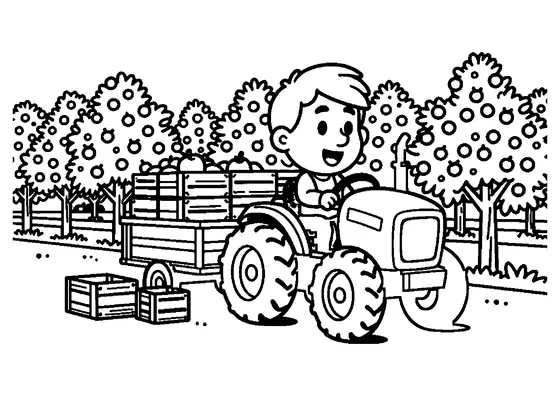
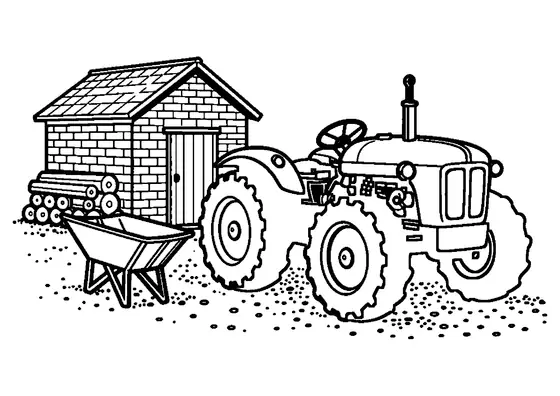
A classic farm tractor sits beside an old-fashioned smithy where metalworking tools and hardware are made.

A4 format (portrait), black outlines on a white background · for home and classroom use
All coloring pages: Tractor Coloring Pages
Similar coloring pages: Tractor Coloring Pages



What else can you print? Free, no account needed
Custom Name Coloring Pages
Enter your child's name to generate a custom coloring page featuring large outline letters to color and decorate.
Open generator →Connect the Dots Generator
Eight connect-the-dots pictures across three difficulty levels. Features faint outline guides for younger children and dots only for older kids.
Open generator →Printables
Worksheets, tracing lines, mazes and dot-to-dots in A4.
Browse printables →
Vintage Tractors and Country Blacksmith Shops
Traditional rural properties often featured dedicated workspaces where heavy equipment and hand tools could be repaired. A classic tractor parked near a blacksmith shop represents the intersection of early mechanized farming and traditional metalworking skills. In these workshops, blacksmiths used intense heat and heavy anvils to shape iron into essential farm hardware, horseshoe equipment, and machinery replacement parts.
The Importance of the Village Blacksmith
Before modern industrial manufacturing became widespread, every agricultural community relied heavily on a local blacksmith to maintain its tools. Blacksmiths heated iron in a coal or charcoal forge until it glowed bright orange, allowing them to hammer it into sturdy shapes on a heavy steel anvil. When tractor machinery began replacing horses on farms, blacksmiths adapted their skills to repair metal brackets, engine mounts, and heavy steel hitches.
Natural Colors of Farm Machinery and Metal Shops
- Tractor body: traditional red, green, or bright yellow paint finishes
- Anvil block: dark gray or black forged steel with a silver-gray polished face
- Wooden shop walls: weathered brown, natural cedar, or faded barn-red timber
- Tractor wheels and rubber tires: dark gray or deep charcoal black with silver metal rims