
Motorcycle Helmet Angled View
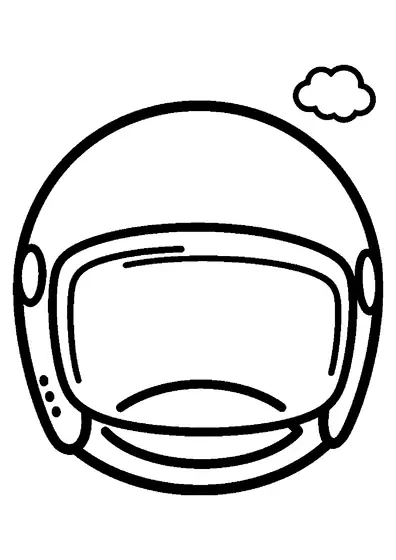
A safety helmet for motorcycle riding is depicted from a three-quarter perspective showing its curved surface and front visor.

A4 format (portrait), black outlines on a white background · for home and classroom use
All coloring pages: Motorcycle Coloring Pages
Similar coloring pages: Motorcycle Coloring Pages




What else can you print? Free, no account needed
Custom Name Coloring Pages
Enter your child's name to generate a custom coloring page featuring large outline letters to color and decorate.
Open generator →Connect the Dots Generator
Eight connect-the-dots pictures across three difficulty levels. Features faint outline guides for younger children and dots only for older kids.
Open generator →Printables
Worksheets, tracing lines, mazes and dot-to-dots in A4.
Browse printables →
Motorcycle Helmet Viewed at an Angle
This image features a rider helmet turned slightly to the side, revealing both the frontal face shield and the side profile of the hard casing. Motorcycle helmets are engineered to fit snugly over a rider's head while offering a wide field of vision for safe navigation.
How Motorcycle Helmets Are Developed
Engineers test helmet shapes inside wind tunnels to reduce drag and wind noise at highway speeds. Smooth aerodynamic contours help lower strain on the neck muscles of riders during long journeys.
Natural Colors of Motorcycle Equipment
- Helmet exterior: shiny black, bright neon green, or metallic blue with reflective graphics
- Transparent shield: clear tint for nighttime riding or dark smoked gray for bright daylight
- Ventilation intake ports: black or silver plastic vents located at the top and chin area
- Inner padding edge: charcoal gray fabric border around the neck opening