
Fire Command Vehicle at a TV Studio
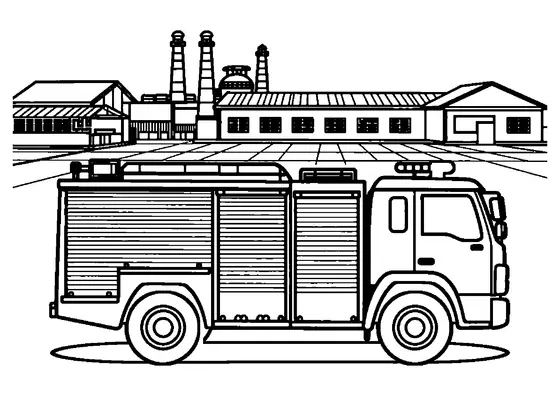
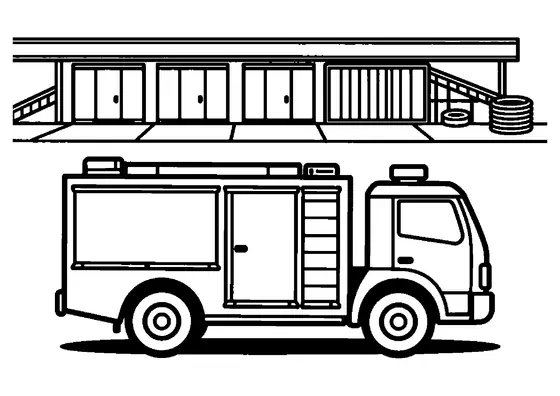
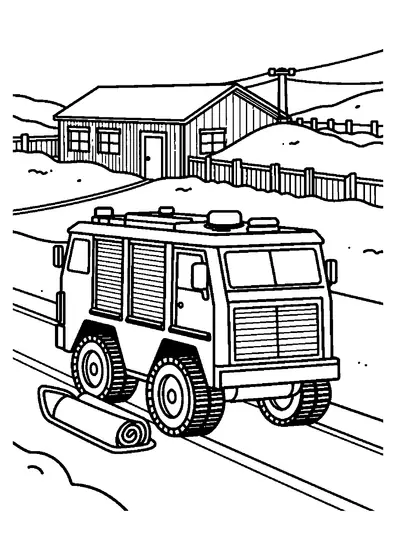
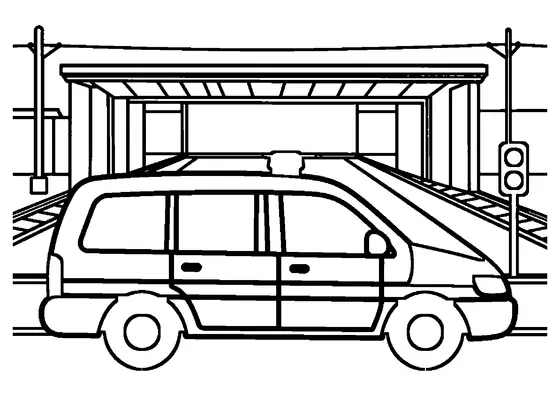
A fire command vehicle equipped with a tall communications antenna is positioned behind a modern television studio.

A4 format (portrait), black outlines on a white background · for home and classroom use
All coloring pages: Firefighter and Police Coloring Pages
Similar coloring pages: Firefighter and Police Coloring Pages


What else can you print? Free, no account needed
Custom Name Coloring Pages
Enter your child's name to generate a custom coloring page featuring large outline letters to color and decorate.
Open generator →Connect the Dots Generator
Eight connect-the-dots pictures across three difficulty levels. Features faint outline guides for younger children and dots only for older kids.
Open generator →Printables
Worksheets, tracing lines, mazes and dot-to-dots in A4.
Browse printables →
Mobile Command Centers at Broadcast Complexes
Fire command vehicles serve as tactical communication posts during major events or complex inspections. Stationed outside modern studio facilities, these specialized trucks coordinate emergency services, monitor site communications, and manage large-scale operations near broadcasting equipment.
Emergency Planning for Live Studios
Television studios contain extensive electrical wiring, high-powered lighting grids, and soundproofing insulation. Emergency commanders set up mobile units outside broadcast centers to monitor real-time safety feeds and maintain direct lines to city dispatch facilities.
Real-Life Colors of Mobile Command Trucks
- Command vehicle body: white or red with reflective striping
- Roof communications antenna: silver metal or black fiberglass
- Studio building facade: modern gray steel or blue tinted glass
- Vehicle tires and undercarriage: dark matte gray or black
- Emergency roof lights: transparent red and blue glass