
Classic Car with the Hood Open
A vintage automobile is showcased with its front hood raised upward to reveal the mechanical engine compartment.

A4 format (landscape), black outlines on a white background · for home and classroom use
All coloring pages: Car Coloring Pages
Similar coloring pages: Car Coloring Pages




What else can you print? Free, no account needed
Custom Name Coloring Pages
Enter your child's name to generate a custom coloring page featuring large outline letters to color and decorate.
Open generator →Connect the Dots Generator
Eight connect-the-dots pictures across three difficulty levels. Features faint outline guides for younger children and dots only for older kids.
Open generator →Printables
Worksheets, tracing lines, mazes and dot-to-dots in A4.
Browse printables →
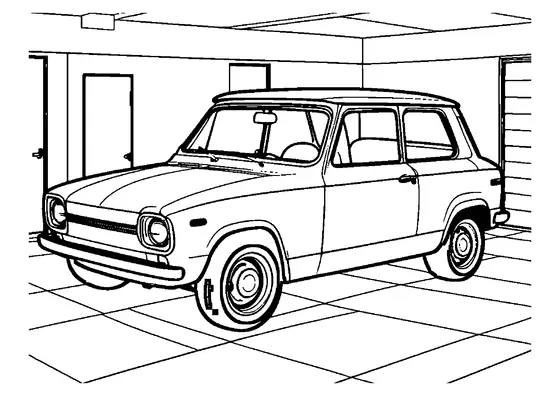
Classic Automobile Displayed with Raised Engine Hood
The illustration features a vintage passenger car resting with its front engine cover propped open. The design highlights the retro body styling, distinct front end contours, oversized road wheels, and raised engine bay shield.
Mechanics and Care of Vintage Automobiles
Automobile enthusiasts preserve classic cars from past decades to celebrate historical vehicle design and craftsmanship. Early classic cars often featured mechanical engine components that could be serviced using basic hand tools rather than computer diagnostics. Mechanics lift the front hood to inspect spark plugs, check fluid levels, and maintain carburetors.
Authentic Colors of Vintage Cars
- Vintage Bodywork: Classic cherry red, navy blue, cream white, or emerald green
- Engine Block Metal: Cast iron gray, metallic silver, or black lacquer
- Tire Sidewalls: Classic white wall trim with dark black rubber
- Chrome Trim Details: Polished silver or reflective chrome finish