
Robot Protecting Coastal Sand Dunes
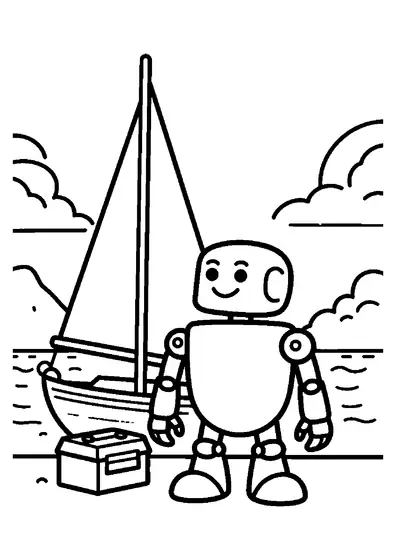
An environmental robot installs protective fencing along coastal sand dunes framed by ocean waves and beach grass.

A4 format (landscape), black outlines on a white background · for home and classroom use
All coloring pages: Robot Coloring Pages
Similar coloring pages: Robot Coloring Pages


What else can you print? Free, no account needed
Custom Name Coloring Pages
Enter your child's name to generate a custom coloring page featuring large outline letters to color and decorate.
Open generator →Connect the Dots Generator
Eight connect-the-dots pictures across three difficulty levels. Features faint outline guides for younger children and dots only for older kids.
Open generator →Printables
Worksheets, tracing lines, mazes and dot-to-dots in A4.
Browse printables →
Coastal Dune Protection and Shoreline Conservation
Along a sandy shoreline, a protective robot manages dune fencing materials and wooden stakes positioned among beach grass under open clouds and ocean waves. Sand dunes act as natural barriers against coastal storm surges, shielding inland areas from tidal flooding and wind erosion.
The Role of Vegetation and Fencing in Dune Stabilization
Beach grass roots trap blowing sand grains, gradually building up the height of coastal dunes over time. Wooden dune fencing works alongside natural vegetation by reducing wind speed near the ground, encouraging airborne sand to settle and consolidate the shoreline barrier.
Natural Colors of Shorelines and Coastal Protection Gear
- Sand dunes: Pale beige, warm tan, or cream-colored dry sand
- Beach grass foliage: Sea green, yellowish green, or dried straw tan
- Dune fencing: Light natural wood brown or weathered silver-gray timber
- Ocean waves: Deep royal blue, turquoise, or white-foamed crests
- Sky clouds: Soft white or light gray shaded undersides