
Robot Building a Birdhouse
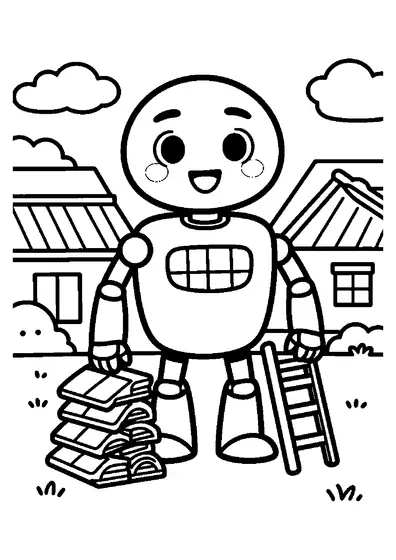
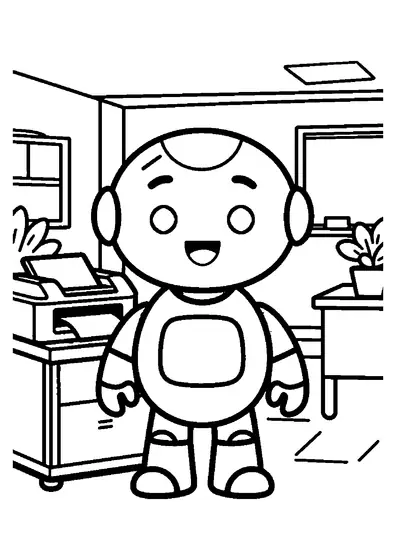
An automated helper constructs a protective shelter for woodland birds among tall trees in a peaceful forest setting.

A4 format (portrait), black outlines on a white background · for home and classroom use
All coloring pages: Robot Coloring Pages
Similar coloring pages: Robot Coloring Pages



What else can you print? Free, no account needed
Custom Name Coloring Pages
Enter your child's name to generate a custom coloring page featuring large outline letters to color and decorate.
Open generator →Connect the Dots Generator
Eight connect-the-dots pictures across three difficulty levels. Features faint outline guides for younger children and dots only for older kids.
Open generator →Printables
Worksheets, tracing lines, mazes and dot-to-dots in A4.
Browse printables →
A Robot Assembling a Wooden Birdhouse in the Forest
A helper robot works in a quiet forest clearing to build a small wooden shelter intended for wild birds. The surroundings include trees typical of woodland habitats where nest boxes provide safe nesting spots.
Forest Nesting and Wildlife Shelters
Wooden nest boxes help cavity-nesting birds rear their young safely when natural tree hollows are scarce. Positioning a birdhouse away from predators gives fledglings a secure environment during the spring breeding season.
Natural Colors of Forest Life and Wood
- Untreated lumber: warm light brown or pale tan
- Tree bark: dark brown, deep gray, or textured charcoal
- Pine needles and leaves: deep forest green or vibrant olive
- Robot casing: metallic silver, steel gray, or painted industrial yellow