
Girl with a Picnic Basket in a Green Meadow
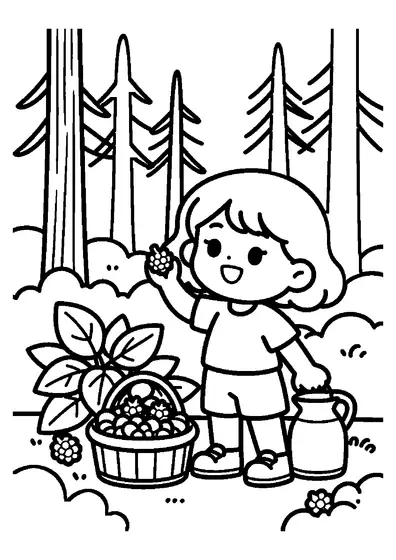
A girl prepares for an outdoor meal while carrying a picnic basket through a grassy meadow.

A4 format (portrait), black outlines on a white background · for home and classroom use
All coloring pages: Summer Coloring Pages
Similar coloring pages: Summer Coloring Pages



What else can you print? Free, no account needed
Custom Name Coloring Pages
Enter your child's name to generate a custom coloring page featuring large outline letters to color and decorate.
Open generator →Connect the Dots Generator
Eight connect-the-dots pictures across three difficulty levels. Features faint outline guides for younger children and dots only for older kids.
Open generator →Printables
Worksheets, tracing lines, mazes and dot-to-dots in A4.
Browse printables →
Outdoor Picnic in a Grassy Meadow
A girl arrives in a sunlit meadow carrying a woven picnic basket to set up an outdoor lunch surrounded by field vegetation.
The History and Enjoyment of Outdoor Picnics
Picnicking grew in popularity during the nineteenth century as people sought peaceful escapes into natural landscapes. Traditional picnic baskets are woven from sturdy willow or rattan to transport food and eating utensils safely. Open meadows offer ideal settings for outdoor dining due to their flat grassy terrain and abundance of fresh air.
Traditional Colors of Picnic Baskets and Meadows
- Woven picnic basket: warm honey gold, chestnut brown, or natural wicker tan
- Meadow grass: vibrant lime green, olive green, or sun-bleached golden green
- Basket leather straps: dark espresso brown or reddish-tan leather
- Wild meadow soil: rich dark brown underlying the dense root turf