
Swallow by a Wooden Garden Gazebo
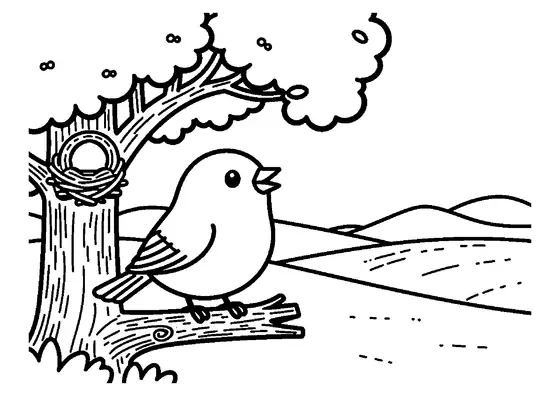
A migratory swallow rests near its cup-shaped nest built beneath the sheltered roof of a garden structure.

A4 format (portrait), black outlines on a white background · for home and classroom use
All coloring pages: Spring Coloring Pages
Similar coloring pages: Spring Coloring Pages




What else can you print? Free, no account needed
Custom Name Coloring Pages
Enter your child's name to generate a custom coloring page featuring large outline letters to color and decorate.
Open generator →Connect the Dots Generator
Eight connect-the-dots pictures across three difficulty levels. Features faint outline guides for younger children and dots only for older kids.
Open generator →Printables
Worksheets, tracing lines, mazes and dot-to-dots in A4.
Browse printables →
Barn Swallows in Garden Gazebos
A swallow sits beside its carefully constructed nest located under the wooden eaves of a garden gazebo. The sheltered structure provides a safe nesting site during the warmer months of spring.
Nesting Habits of Barn Swallows
Swallows are renowned for building mud nests attached to human structures such as gazebo roofs and barn rafters. These birds use pellets of wet soil mixed with grass to create sturdy cup structures that protect their eggs from predators.
Real Colors of Swallows and Garden Structures
- Swallow feathers: Barn swallows feature glossy steel-blue upperparts, a dark rust-red forehead and throat, and pale cream underparts.
- Bird nest: Dried mud nests display earthy brown and dark gray tones interwoven with bits of green grass.
- Wooden gazebo: Garden woodwork can range from natural oak brown to painted white or soft gray stain.
- Gazebo roof eaves: The shadowed underside of wooden eaves usually appears in deep brown or charcoal gray shades.