
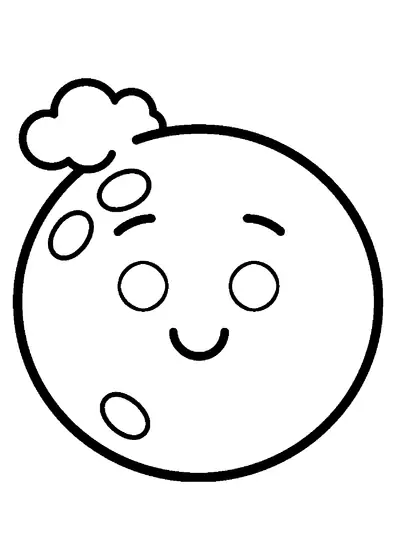
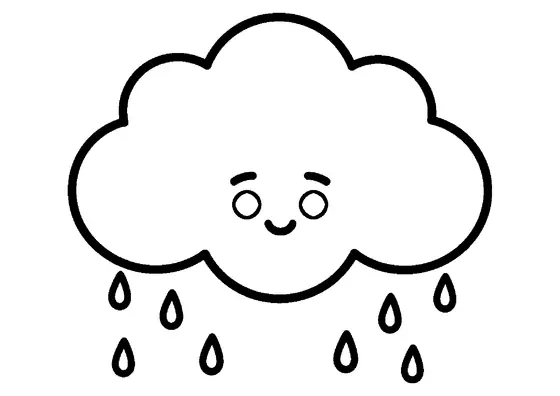
Moon Above a Small Cloud
A crescent moon suspended over a passing cloud captures the peaceful movement of Earth's atmosphere during autumn nights.

A4 format (landscape), black outlines on a white background · for home and classroom use
All coloring pages: Fall Coloring Pages
Similar coloring pages: Fall Coloring Pages



What else can you print? Free, no account needed
Custom Name Coloring Pages
Enter your child's name to generate a custom coloring page featuring large outline letters to color and decorate.
Open generator →Connect the Dots Generator
Eight connect-the-dots pictures across three difficulty levels. Features faint outline guides for younger children and dots only for older kids.
Open generator →Printables
Worksheets, tracing lines, mazes and dot-to-dots in A4.
Browse printables →
The Moon and Clouds in the Night Atmosphere
Clouds drifting across the night sky frequently pass in front of or beneath the moon. Lower cloud layers float through Earth's troposphere while the moon remains hundreds of thousands of miles away in space, creating an atmospheric view from Earth's surface.
Cloud Movement and Night Sky Observations
Atmospheric winds at different altitudes drive cloud movement across the sky, making nighttime clouds appear to glide beneath celestial bodies. When thin clouds pass near a bright moon, moisture droplets in the air scatter light to form faint optical rings called lunar halos.
Natural Colors of Night Clouds and the Moon
- Night cloud underside: dark slate gray or cool violet
- Moonlit cloud edges: glowing silver or soft white
- Crescent moon surface: pale cream or silvery yellow
- Night atmosphere: dark indigo or deep charcoal gray