
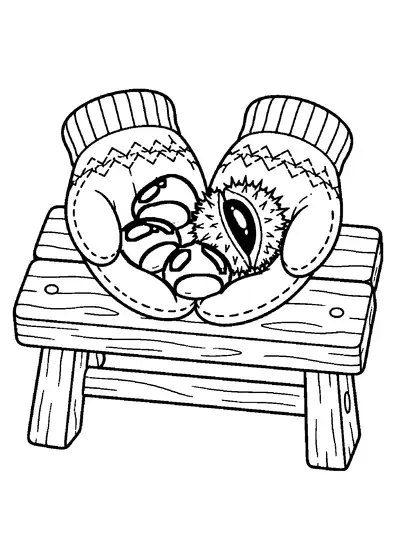
Open chestnut burr on a wooden market stall
A spiky, open chestnut burr revealing the nut inside rests upon a rustic wooden market stall in an autumn market setting.

A4 format (landscape), black outlines on a white background · for home and classroom use
All coloring pages: Fall Leaves and Chestnuts Coloring Pages
Similar coloring pages: Fall Leaves and Chestnuts Coloring Pages



What else can you print? Free, no account needed
Custom Name Coloring Pages
Enter your child's name to generate a custom coloring page featuring large outline letters to color and decorate.
Open generator →Connect the Dots Generator
Eight connect-the-dots pictures across three difficulty levels. Features faint outline guides for younger children and dots only for older kids.
Open generator →Printables
Worksheets, tracing lines, mazes and dot-to-dots in A4.
Browse printables →
Spiky Chestnut Burr on a Market Counter
This autumn scene displays a spiky chestnut burr splitting open on a rustic wooden market stall. The protective outer shell separates to reveal the smooth nut nestled inside. Farmers and merchants traditionally display harvested autumn tree fruits on timber market stands during seasonal harvest festivals.
Botanical Function of Spiky Chestnut Burrs
The sharp, needle-like spines covering a chestnut burr protect developing nuts from hungry squirrels, birds, and insects while growing on branches throughout summer. When autumn frost arrives, the burr dries, turns brown, and splits into four sections to drop mature chestnuts onto the ground or display tables.
Natural Shades of Chestnuts and Timber
- Outer spiky burr shell: prickly olive green turning to warm yellowish-brown
- Inner nut husk: glossy mahogany, rich dark brown, or chestnut red
- Interior burr lining: soft creamy beige or velvety pale yellow
- Wooden market stall planks: rustic pine brown, weathered gray timber, or oak
- Market table highlights: natural grain tan, deep umber, or golden oak