
Badger Preparing Its Burrow in a Woodland Grove
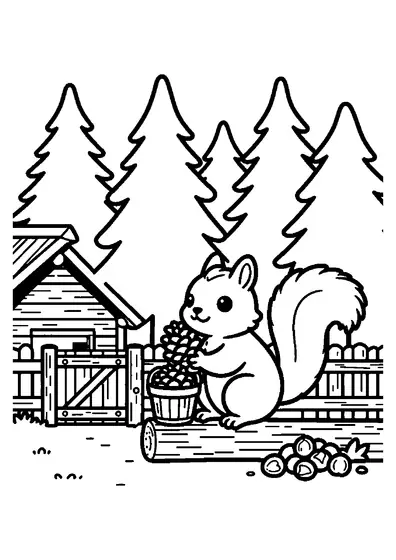
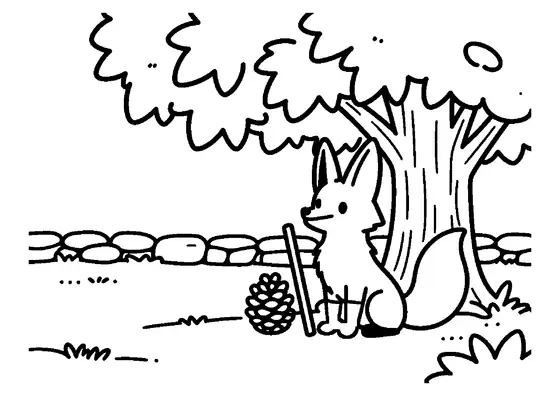
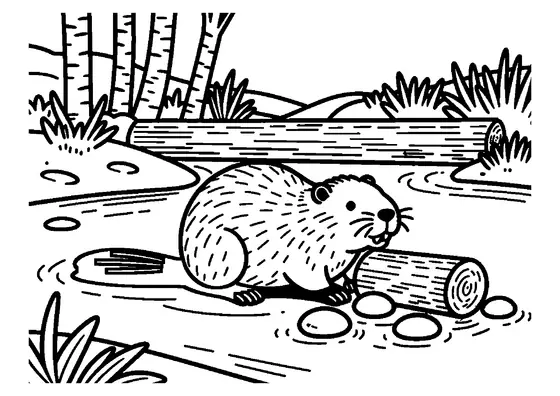
An autumn forest setting shows a badger preparing its underground burrow for the upcoming cold season.

A4 format (landscape), black outlines on a white background · for home and classroom use
All coloring pages: Fall Coloring Pages
Similar coloring pages: Fall Coloring Pages



What else can you print? Free, no account needed
Custom Name Coloring Pages
Enter your child's name to generate a custom coloring page featuring large outline letters to color and decorate.
Open generator →Connect the Dots Generator
Eight connect-the-dots pictures across three difficulty levels. Features faint outline guides for younger children and dots only for older kids.
Open generator →Printables
Worksheets, tracing lines, mazes and dot-to-dots in A4.
Browse printables →
Badgers and Underground Woodland Burrows
In autumn, badgers prepare their forest shelters as temperatures decrease. These nocturnal mammals construct extensive underground burrow systems within woodland groves to stay safe and sheltered.
Fascinating Facts About Badger Burrows
Badger burrows, known as setts, are complex networks of underground tunnels and chambers passed down through generations. Badgers regularly clean out their sleeping chambers in autumn by bringing in fresh grass and dry leaves for insulation. Some sett systems can be decades old and extend dozens of feet underground.
Natural Colors of European Badgers and Forest Soil
- Badger coat: Coarse gray fur with distinct black and white facial stripes
- Badger paws: Dark gray or black with strong sturdy claws
- Burrow entrance: Dark brown earthy soil mixed with dry leaves
- Autumn woodland foliage: Golden yellow and deep brown woodland leaves