
Roaring Tyrannosaurus by a Rocky Volcano
This prehistoric scene depicts an apex predator from the Cretaceous period standing near an active volcanic landscape.

A4 format (portrait), black outlines on a white background · for home and classroom use
All coloring pages: Printable Coloring Pages for Kids
Similar coloring pages: Printable Coloring Pages for Kids




What else can you print? Free, no account needed
Custom Name Coloring Pages
Enter your child's name to generate a custom coloring page featuring large outline letters to color and decorate.
Open generator →Connect the Dots Generator
Eight connect-the-dots pictures across three difficulty levels. Features faint outline guides for younger children and dots only for older kids.
Open generator →Printables
Worksheets, tracing lines, mazes and dot-to-dots in A4.
Browse printables →
Prehistoric Giant Near an Active Volcano
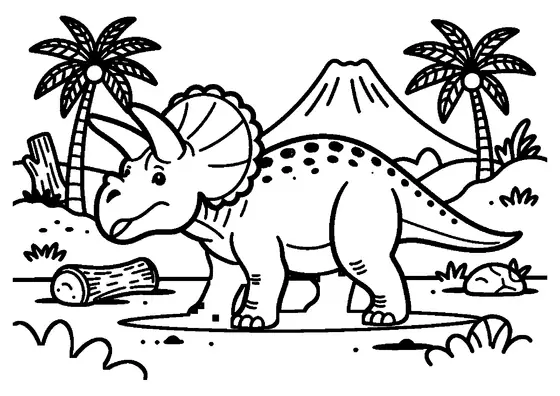
A large Tyrannosaurus stands in front of a rugged volcano, capturing a wild prehistoric environment. The backdrop consists of steep rock formations and volcanic terrain where ancient reptiles once roamed millions of years ago.
Fascinating Facts About Volcanic Environments and Predators
Volcanic eruptions during the Mesozoic Era enriched the surrounding soil with minerals, creating lush ecosystems that supported giant herbivores and large carnivores. Heavy volcanic ash could travel hundreds of miles, temporarily darkening skies and altering local temperatures. Scientists study fossilized volcanic ash layers today to date dinosaur bones with remarkable accuracy.
Real Colors of Prehistoric Reptiles and Volcanoes
- Tyrannosaurus skin: earthy tones such as olive green, brown, or dark gray for camouflage in natural environments
- Volcanic rocks: dark gray, charcoal, or deep brown shades produced by cooled basaltic lava
- Volcanic smoke and ash clouds: varying shades of gray, off-white, and dark brown
- Volcanic peak: deep brown or dark gray rock surfaces weathered by harsh climate conditions