
Plesiosaur in the Depths of a Prehistoric Ocean
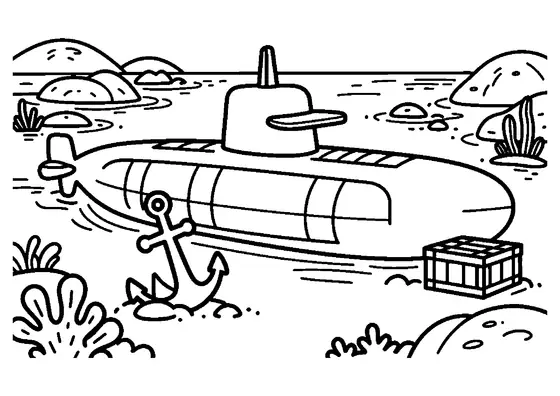
An underwater scene features a prehistoric plesiosaur navigating coral reefs near a sunken treasure chest resting on the ocean floor.

A4 format (landscape), black outlines on a white background · for home and classroom use
All coloring pages: Printable Coloring Pages for Kids
Similar coloring pages: Printable Coloring Pages for Kids

What else can you print? Free, no account needed
Custom Name Coloring Pages
Enter your child's name to generate a custom coloring page featuring large outline letters to color and decorate.
Open generator →Connect the Dots Generator
Eight connect-the-dots pictures across three difficulty levels. Features faint outline guides for younger children and dots only for older kids.
Open generator →Printables
Worksheets, tracing lines, mazes and dot-to-dots in A4.
Browse printables →
Plesiosaur Swimming Above the Ocean Floor
This scene depicts a plesiosaur drifting through prehistoric ocean depths near colorful coral reefs. A classic wooden treasure chest sits quietly on the seabed nearby, submerged in deep water.
Prehistoric Marine Reptiles and Underwater Treasures
Although plesiosaurs lived millions of years ago in ancient seas, sunken treasure chests are tied to historical shipwrecks from human seafaring eras. Paleontologists study marine fossils to understand how these long-necked reptiles moved efficiently through deep open waters.
Natural Colors of the Marine Environment
- Plesiosaur skin: Dark blue, slate gray, or countershaded olive green on top with a lighter cream belly
- Coral reef structures: Vibrant shades of orange, pink, yellow, and deep purple
- Treasure chest body: Weathered dark brown wood bound by tarnished metallic iron or brass bands
- Ocean floor sand: Pale beige, tan, or muted yellowish gray sand and silt