
Patrol Ship by a Storm Barrier
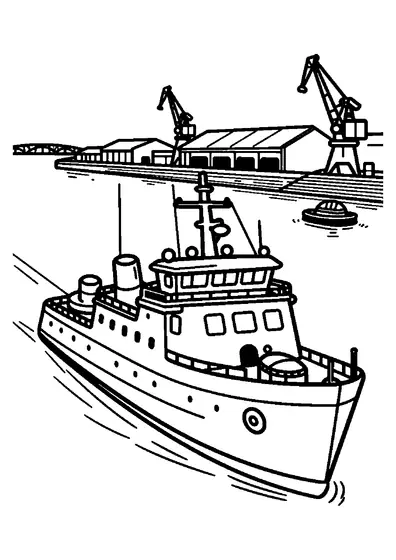
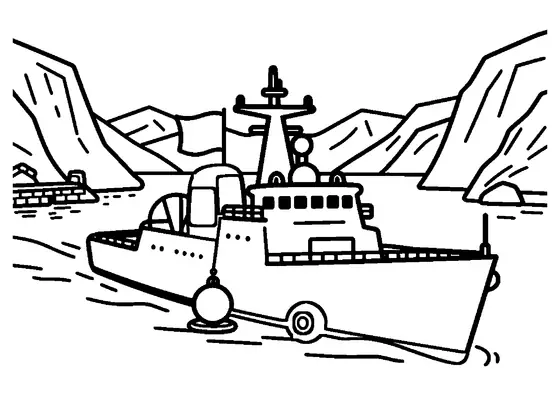
A large patrol vessel sails past heavy sea walls near a harbor entrance with navigation markers.

A4 format (landscape), black outlines on a white background · for home and classroom use
All coloring pages: Military Coloring Pages
Similar coloring pages: Military Coloring Pages



What else can you print? Free, no account needed
Custom Name Coloring Pages
Enter your child's name to generate a custom coloring page featuring large outline letters to color and decorate.
Open generator →Connect the Dots Generator
Eight connect-the-dots pictures across three difficulty levels. Features faint outline guides for younger children and dots only for older kids.
Open generator →Printables
Worksheets, tracing lines, mazes and dot-to-dots in A4.
Browse printables →
Maritime Defense Vessel by the Harbor Entrance
A coastal patrol ship navigates water beside a massive concrete storm barrier designed to break oncoming waves. A harbor buoy floats nearby to guide vessels through protected coastal waters.
Harbor Protection and Patrol Vessels
Patrol ships monitor coastal zones and harbor entrances to keep shipping lanes safe from ocean hazards. Storm barriers built from reinforced concrete help absorb wave energy, preventing ocean waves from damaging harbor infrastructure during bad weather.
Real Colors of Coastal Patrol Ships and Harbor Structures
- Ship hull: Navy blue, dark gray, or white
- Deck equipment: Dark gray or steel silver
- Storm barrier concrete: Weathered light gray or beige
- Harbor buoy: Bright red, yellow, or warning orange