
Wooden Stilt House by a Pond
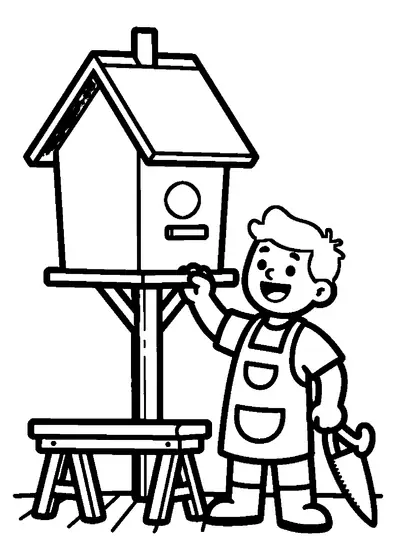
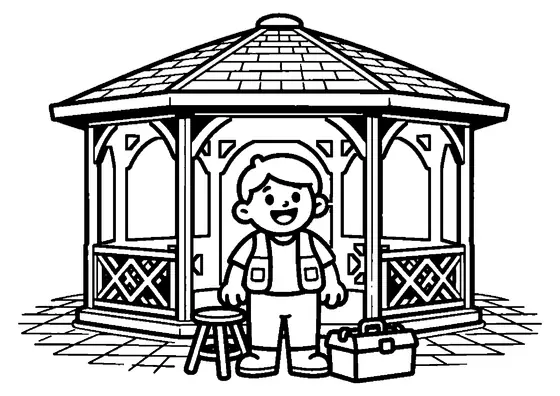
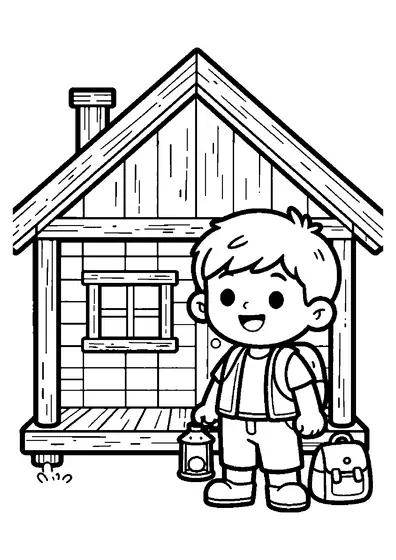
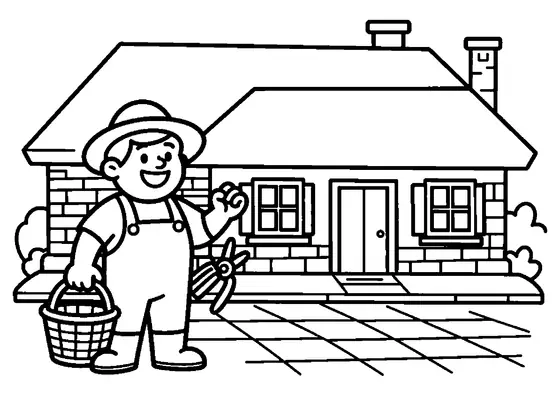
A waterfront architectural scene showing a carpenter beside a pond where a wooden house is elevated on sturdy stilts.

A4 format (landscape), black outlines on a white background · for home and classroom use
All coloring pages: House Coloring Pages
Similar coloring pages: House Coloring Pages


What else can you print? Free, no account needed
Custom Name Coloring Pages
Enter your child's name to generate a custom coloring page featuring large outline letters to color and decorate.
Open generator →Connect the Dots Generator
Eight connect-the-dots pictures across three difficulty levels. Features faint outline guides for younger children and dots only for older kids.
Open generator →Printables
Worksheets, tracing lines, mazes and dot-to-dots in A4.
Browse printables →
Unique Wooden Stilt House Above Water
A carpenter stands near a tranquil pond featuring an unusual wooden house built on stilts above the water. Stilt houses are elevated structural dwellings designed to withstand rising water levels, flood risk, and damp ground conditions along coastal waters, lakes, and ponds.
Fascinating Facts About Stilt Architecture
Building homes on wooden piles above water bodies is one of the oldest architectural techniques in human history, utilized across floodplains and coastal regions worldwide. Elevating a home above a pond prevents moisture damage to floorboards while encouraging air circulation underneath that naturally cools the building during warm weather. Heavy timber posts driven deep into the pond floor provide stable support even in soft, muddy ground.
Realistic Colors of Stilt Homes and Ponds
- Elevated stilt house timber: Weathered wood brown, rich cedar, or golden pine
- Wooden support stilts: Dark mossy brown, wet timber shade, or charcoal gray
- Pond water surface: Deep blue-green, reflection blue, or murky olive green
- Carpenter's outfit: Canvas brown trousers, dark blue shirt, or leather work vest
- Roof structure: Rustic brown shingles, dark gray slate, or natural thatch color