
Wavy Heart Tile
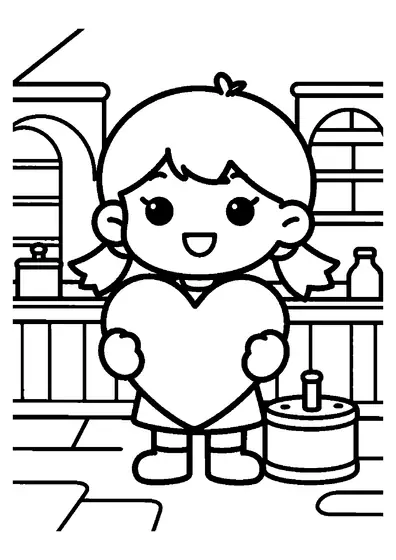
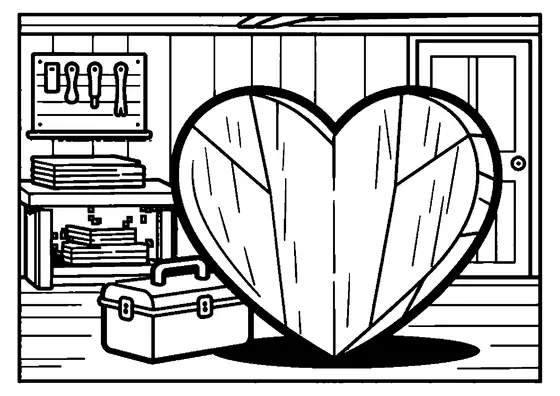
A craft workshop scene captures an artisan painting a ceramic tile adorned with an undulating heart pattern.

A4 format (portrait), black outlines on a white background · for home and classroom use
All coloring pages: Heart Coloring Pages
Similar coloring pages: Heart Coloring Pages




What else can you print? Free, no account needed
Custom Name Coloring Pages
Enter your child's name to generate a custom coloring page featuring large outline letters to color and decorate.
Open generator →Connect the Dots Generator
Eight connect-the-dots pictures across three difficulty levels. Features faint outline guides for younger children and dots only for older kids.
Open generator →Printables
Worksheets, tracing lines, mazes and dot-to-dots in A4.
Browse printables →
Crafting Ceramic Tiles with Heart Motifs
In a roomy pottery studio, a girl works on a decorative tile featuring a prominent heart symbol split into smooth, flowing curves. The workshop environment includes essential equipment for shaping and decorating clay, reflecting traditional tile-making practices where artists create unique patterns on individual ceramic surfaces.
Facts About Decorative Tile Crafting
Ceramic tile making is an ancient craft where clay is molded, decorated, dried, and fired in specialized kilns at extreme temperatures exceeding 1800 degrees Fahrenheit. Dividing decorative tile patterns into distinct sections allows artisans to apply specific glazes that fuse into smooth glass-like finishes during firing. Handcrafted heart tiles have historically served as symbols of hospitality and warmth when embedded into architectural features around fireplaces or doorways.
Real Colors of Ceramic Workshop Elements
- Ceramic tile: Off-white, terracotta brown, or buff cream before glazes are baked
- Liquid ceramic glaze: Pale blue, cobalt, sage green, maroon, or mustard yellow before firing
- Pottery workbench: Unfinished pine wood or dark oak with gray stone surfaces
- Artisan apron: Coarse beige canvas or blue denim with clay residue