
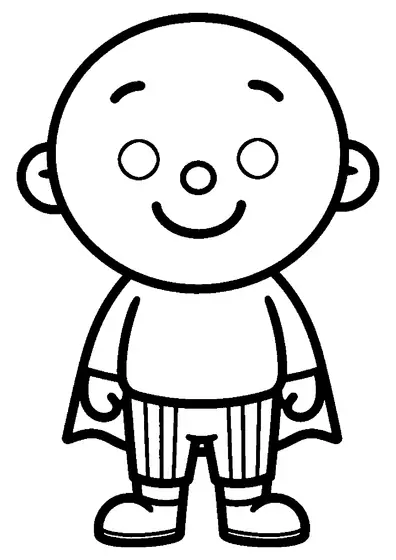
Vampire in a Short Cape
A cheerful vampire character displays traditional formal attire including a high collar, waistcoat, and short cape.

A4 format (portrait), black outlines on a white background · for home and classroom use
All coloring pages: Ghost Coloring Pages
Similar coloring pages: Ghost Coloring Pages




What else can you print? Free, no account needed
Custom Name Coloring Pages
Enter your child's name to generate a custom coloring page featuring large outline letters to color and decorate.
Open generator →Connect the Dots Generator
Eight connect-the-dots pictures across three difficulty levels. Features faint outline guides for younger children and dots only for older kids.
Open generator →Printables
Worksheets, tracing lines, mazes and dot-to-dots in A4.
Browse printables →
Classic Vampire Attire and Elegance
Traditional folklore represents vampire figures dressed in formal nineteenth-century evening wear, symbolizing mystery and historical elegance. The combination of a structured waistcoat, a prominent high collar, and a flowing shoulder cape reflects classical European fashion from the Victorian era. A friendly expression softens the legendary character, bringing a lighthearted feel to spooky themes.
Origins of High Collars in Formal Fashion
High stiffened collars were a prominent feature of nineteenth-century men's formal wear, designed to maintain upright posture and display fine tailoring. Theater actors portraying dramatic characters later adopted these exaggerated collars to frame the performer's face under stage lighting. This dramatic theatrical style permanently shaped modern pop culture depictions of classic nocturnal figures.
Authentic Colors for Formal Vampire Outfits
- Outer cape lining: crimson red or deep burgundy
- Cape exterior: midnight black or dark slate gray
- Fabric waistcoat: royal purple, dark emerald, or gold-patterned silk
- Shirt fabric: crisp white or off-white cream
- Trousers and shoes: polished black or dark charcoal