
Cauldron with Short Legs
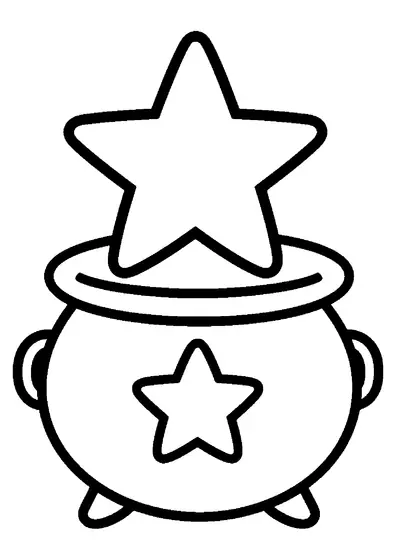
A traditional iron pot features a spherical body with a broad upper rim, a sturdy carrying handle, and small base legs.

A4 format (landscape), black outlines on a white background · for home and classroom use
All coloring pages: Ghost Coloring Pages
Similar coloring pages: Ghost Coloring Pages




What else can you print? Free, no account needed
Custom Name Coloring Pages
Enter your child's name to generate a custom coloring page featuring large outline letters to color and decorate.
Open generator →Connect the Dots Generator
Eight connect-the-dots pictures across three difficulty levels. Features faint outline guides for younger children and dots only for older kids.
Open generator →Printables
Worksheets, tracing lines, mazes and dot-to-dots in A4.
Browse printables →
Classic Empty Cauldron on Short Legs
This image features a large cooking vessel modeled after cast-iron pots used in historical kitchens and folklore. The rounded body rests on small support feet, while a wide rim and attached bail handle define its top structure. The interior of the pot remains empty.
Historical Use of Cast-Iron Pots
Heavy iron pots were designed to sit directly over hearth fires or hot coal beds without tipping over. Small iron legs elevated the base of the vessel, allowing heated air and embers to circulate underneath for even cooking. The thick metal walls kept stews warm long after the fire died down.
Authentic Colors of a Cast-Iron Pot
- Pot main body: dark charcoal, oxidized black, or gunmetal gray
- Upper rim: dark slate gray or metallic silver
- Side handle: iron black or dark steel
- Support legs: dark gray or rough black iron