
Grandma Hosts a Tea Party for the Dolls
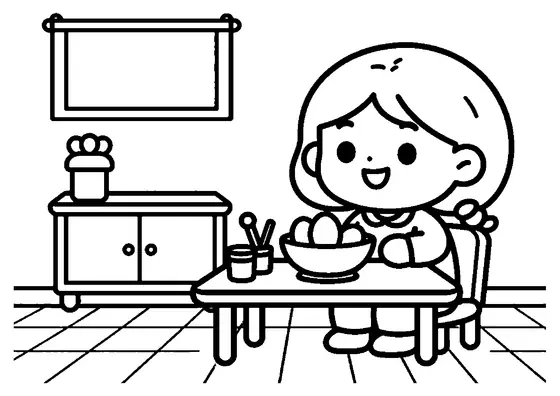
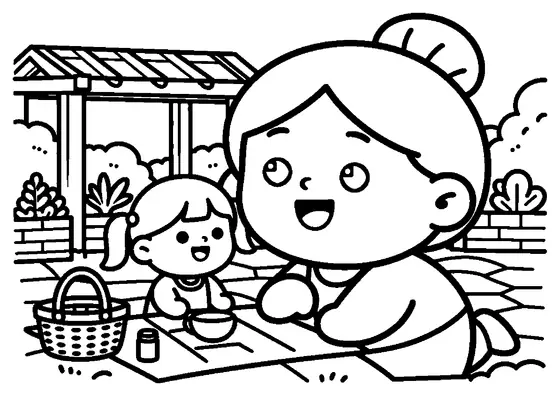
A grandmother and her granddaughter gather around a child-sized table to host a pretend tea party for their toy dolls.

A4 format (portrait), black outlines on a white background · for home and classroom use
All coloring pages: Grandparents Day Coloring Pages
Similar coloring pages: Grandparents Day Coloring Pages


What else can you print? Free, no account needed
Custom Name Coloring Pages
Enter your child's name to generate a custom coloring page featuring large outline letters to color and decorate.
Open generator →Connect the Dots Generator
Eight connect-the-dots pictures across three difficulty levels. Features faint outline guides for younger children and dots only for older kids.
Open generator →Printables
Worksheets, tracing lines, mazes and dot-to-dots in A4.
Browse printables →
Pretend Doll Tea Party with Grandma
Grandma and her granddaughter take seats at a small play table to host a tea gathering. They pour pretend tea into tiny cups, sharing the imaginative play activity alongside their favorite dolls.
History of Toy Tea Sets and Pretend Play
Miniature porcelain tea sets were originally handcrafted in 18th-century Europe as display items before becoming popular children toys. Pretend tea parties support early childhood development by fostering turn-taking, social conversation, and motor control during pouring practice. Classic toy sets often feature detailed flower motifs painted onto ceramic or tin tableware.
Natural Colors of Tea Sets and Toys
- Toy tea cups and teapot: porcelain white with pastel rose trim or soft blue details
- Small play table: painted white wood, light oak, or soft pastel pink
- Doll dresses and ribbons: lavender, pink, sky blue, or yellow fabrics
- Pretend tea liquid: light amber brown or translucent golden yellow
- Grandma and granddaughter dresses: warm beige, soft floral patterns, or mint green