
Easter Bunny Next to an Easter Egg Basket
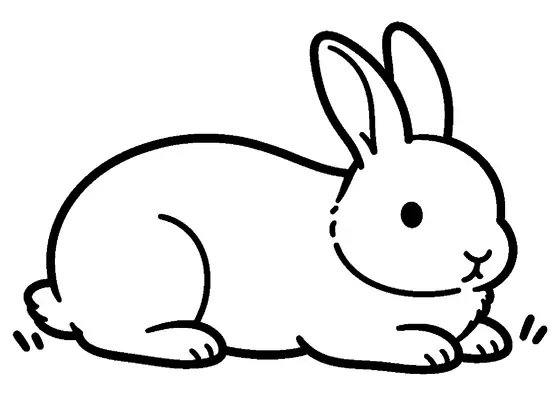
A large Easter bunny sits in side view on grass beside a wicker basket filled with decorated eggs.

A4 format (landscape), black outlines on a white background · for home and classroom use
All coloring pages: Easter Bunny Coloring Pages
Similar coloring pages: Easter Bunny Coloring Pages



What else can you print? Free, no account needed
Custom Name Coloring Pages
Enter your child's name to generate a custom coloring page featuring large outline letters to color and decorate.
Open generator →Connect the Dots Generator
Eight connect-the-dots pictures across three difficulty levels. Features faint outline guides for younger children and dots only for older kids.
Open generator →Printables
Worksheets, tracing lines, mazes and dot-to-dots in A4.
Browse printables →
What the Easter Bunny Scene Contains
The fluffy rabbit rests on the grass with its long ears raised and its body turned sideways. Next to it stands a woven basket holding several Easter eggs decorated with patterns. Tufts of grass extend along the lower area and toward the sides, while the space above the bunny is open.
Easter Traditions Behind the Basket
Decorated eggs are linked with spring and new life in many cultures. Egg decorating can involve dyes, painted patterns, wax designs, or wrapped coverings, depending on family and regional traditions. Wicker baskets are made by weaving flexible plant stems or strips over and under one another to create a strong container.
Natural and Traditional Colors in the Scene
- Bunny fur: white, cream, tan, brown, gray, black, or spotted
- Bunny eyes and nose: eyes are often brown or black, while the nose may be pink, brown, or dark gray
- Wicker basket: straw yellow, honey brown, tan, or deep brown
- Easter eggs: traditionally decorated in red, blue, green, yellow, purple, pink, or multicolored patterns
- Grass: fresh green, yellow-green, or deeper green