
Wolf on a Snowy Hill
A thick-furred gray wolf stands atop a snowy hill in a calm winter environment.

A4 format (landscape), black outlines on a white background · for home and classroom use
All coloring pages: Christmas Coloring Pages
Similar coloring pages: Christmas Coloring Pages
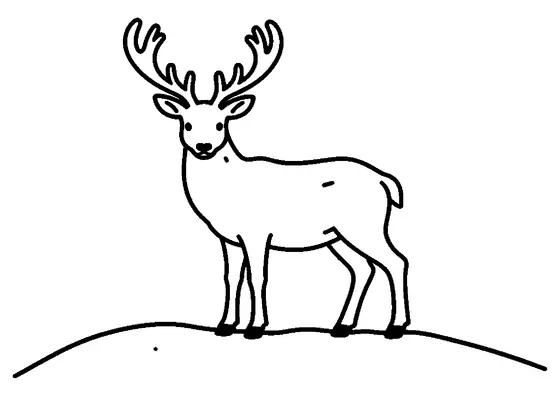

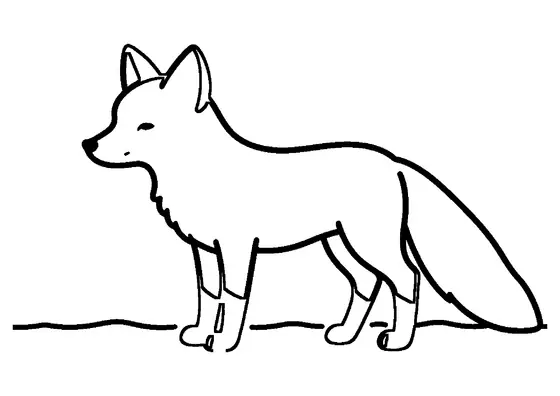


What else can you print? Free, no account needed
Custom Name Coloring Pages
Enter your child's name to generate a custom coloring page featuring large outline letters to color and decorate.
Open generator →Connect the Dots Generator
Eight connect-the-dots pictures across three difficulty levels. Features faint outline guides for younger children and dots only for older kids.
Open generator →Printables
Worksheets, tracing lines, mazes and dot-to-dots in A4.
Browse printables →
A Winter Predator on a Snowy Slope
This scene presents a large wolf positioned on a gently sloping snow-covered hill. The animal is depicted with thick winter fur, capturing the steady posture of a wild predator traversing cold landscapes.
Adaptations of Wolves in Cold Climates
Gray wolves possess dense coats composed of two distinct fur layers to withstand freezing temperatures. The inner layer acts as soft insulation, while the long outer guard hairs shed moisture and block biting winds.
Natural Colors of the Wild Wolf
- Outer coat fur: mix of gray, black, and tan tones
- Underbelly and neck: off-white or light cream
- Muzzle and face: light gray with dark accents around the nose
- Eyes: pale yellow or amber
- Paws and claw pads: dark gray to black