
Christmas Star on a Windowsill
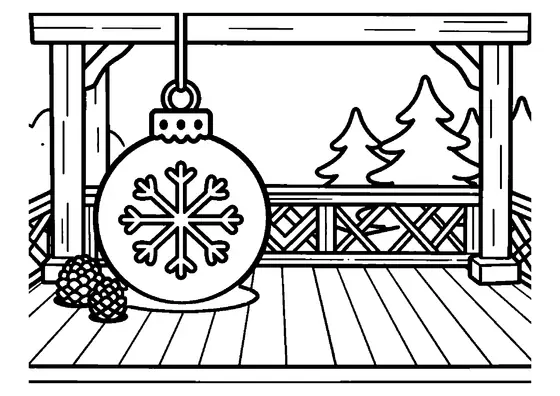
A decorative snowflake star ornament rests on a dining room windowsill overlooking a quiet home garden.

A4 format (landscape), black outlines on a white background · for home and classroom use
All coloring pages: Christmas Tree and Ornament Coloring Pages
Similar coloring pages: Christmas Tree and Ornament Coloring Pages


What else can you print? Free, no account needed
Custom Name Coloring Pages
Enter your child's name to generate a custom coloring page featuring large outline letters to color and decorate.
Open generator →Connect the Dots Generator
Eight connect-the-dots pictures across three difficulty levels. Features faint outline guides for younger children and dots only for older kids.
Open generator →Printables
Worksheets, tracing lines, mazes and dot-to-dots in A4.
Browse printables →
Festive Star Display in the Dining Room
Placing star ornaments on window sills creates a warm winter atmosphere inside dining spaces while remaining visible to passersby outside. The snowflake motif on decorative stars reflects seasonal themes of snow and winter starlight. Looking past the window display reveals the tranquil outdoor garden scene during the cold season.
Starlight Traditions and Snowflake Geometry
Pointed star decorations have long served as central symbols during midwinter celebrations around the world. Every single real snowflake forming outdoors possesses a unique six-sided crystalline structure created by frozen water vapor in clouds. Paper and wooden star decorations frequently incorporate snowflake patterns to honor winter geometry.
Natural Colors of Window Star Displays
- Decorative star surface: Cream white, pale gold, or soft silver
- Snowflake patterns: Ice blue or crisp winter white
- Interior windowsill: Painted white or natural birch tan
- Garden plants outdoors: Muted moss green and dark soil brown
- Dining room interior backdrop: Warm beige or soft peach