
Meringue in a Palace Conservatory
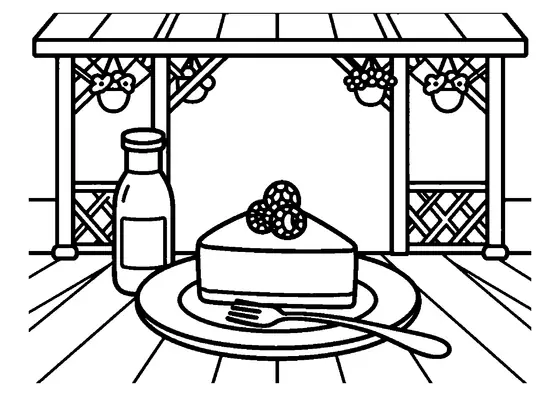
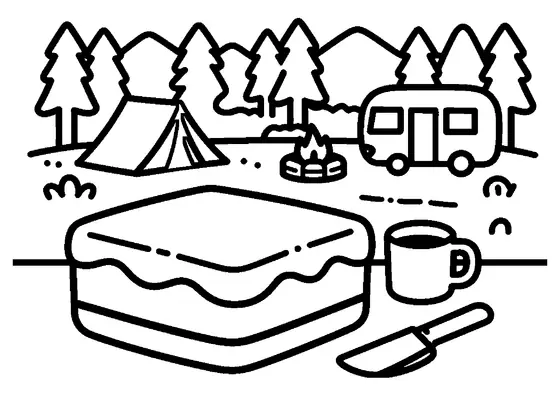
A delicate cream-filled meringue sits displayed on a table inside a grand palace conservatory.

A4 format (portrait), black outlines on a white background · for home and classroom use
All coloring pages: Ice Cream and Dessert Coloring Pages
Similar coloring pages: Ice Cream and Dessert Coloring Pages



What else can you print? Free, no account needed
Custom Name Coloring Pages
Enter your child's name to generate a custom coloring page featuring large outline letters to color and decorate.
Open generator →Connect the Dots Generator
Eight connect-the-dots pictures across three difficulty levels. Features faint outline guides for younger children and dots only for older kids.
Open generator →Printables
Worksheets, tracing lines, mazes and dot-to-dots in A4.
Browse printables →
Elegant Desserts in Historic Glasshouses
The illustration features a large meringue dessert filled with cream, resting on a table within a palace conservatory. Architectural columns, tiled flooring, and large plant leaves surround the table in this indoor garden space.
Palace Conservatories and Classic Pastries
Royal conservatories were built during the eighteenth and nineteenth centuries to house exotic plants imported from tropical regions. These glass-enclosed structures maintained warm temperatures year-round, making them popular locations for serving delicate sugar-based pastries like meringues.
Authentic Colors of a Conservatory Dessert
- Meringue shell: crisp white, ivory, or pale cream
- Cream filling: soft yellow, whipped white, or pale beige
- Conservatory columns: marble white, sandstone beige, or light gray
- Large plant leaves: deep emerald green, olive, or bright green
- Floor tiles: terracotta red, slate gray, or checkerboard marble