
Spring Crocuses Growing in the Grass
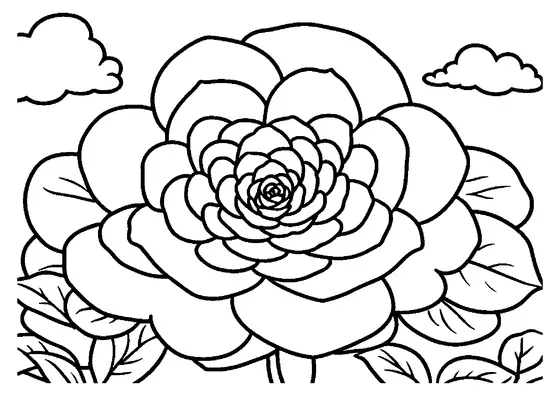
A row of spring crocuses opens among upright leaves and blades of grass across the lower part of this coloring page.

A4 format (landscape), black outlines on a white background · for home and classroom use
All coloring pages: Flower Coloring Pages
Similar coloring pages: Flower Coloring Pages


What else can you print? Free, no account needed
Custom Name Coloring Pages
Enter your child's name to generate a custom coloring page featuring large outline letters to color and decorate.
Open generator →Connect the Dots Generator
Eight connect-the-dots pictures across three difficulty levels. Features faint outline guides for younger children and dots only for older kids.
Open generator →Printables
Worksheets, tracing lines, mazes and dot-to-dots in A4.
Browse printables →
What the Spring Crocuses Growing in the Grass Show
Several cup-shaped crocus flowers rise together from a grassy base. Their open petals appear among long, narrow crocus leaves and surrounding grass, while the area above the plants remains uncluttered.
Interesting Facts About Crocuses in Spring
Many spring crocuses emerge from underground corms, which store energy during the plant’s dormant period. Their early blooms can provide food for bees and other pollinating insects when relatively few other flowers are available.
Natural Colors of Spring Crocuses
- Crocus petals: commonly purple, lavender, white, yellow, or striped with deeper purple
- Flower throats: often yellow, orange, white, or a deeper shade of the petals
- Stamens: usually bright yellow or orange
- Crocus leaves: typically deep green with a pale or silvery stripe along the center
- Grass: generally fresh green in spring, with some blades appearing yellow-green