
Young Deer by a Rose Bush in a Forest Clearing
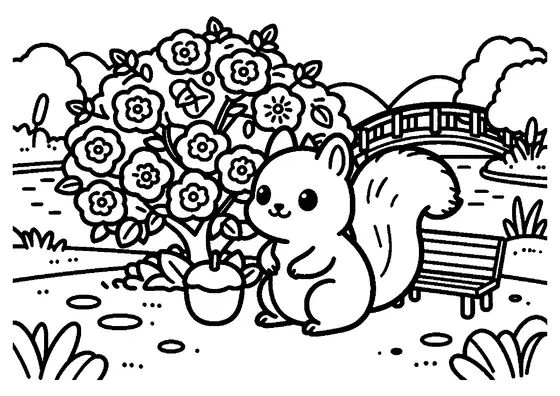
A gentle fawn stands near a thick rose bush in a sunny forest glade.

A4 format (portrait), black outlines on a white background · for home and classroom use
All coloring pages: Rose Coloring Pages
Similar coloring pages: Rose Coloring Pages


What else can you print? Free, no account needed
Custom Name Coloring Pages
Enter your child's name to generate a custom coloring page featuring large outline letters to color and decorate.
Open generator →Connect the Dots Generator
Eight connect-the-dots pictures across three difficulty levels. Features faint outline guides for younger children and dots only for older kids.
Open generator →Printables
Worksheets, tracing lines, mazes and dot-to-dots in A4.
Browse printables →
Young Deer in a Forest Glade
A young deer rests quietly in an open woodland area right next to a wild rose bush filled with open blossoms. Trees surround the peaceful clearing as the fawn pauses beside the flowering shrub.
Natural Habits of Forest Deer
Young deer often seek shelter near dense shrubs and bush edges to stay safe from predators while feeding. Wild rose bushes provide both protective coverage and nutritional leaves or rose hips during different seasons. The quiet edges of woodland clearings offer rich vegetation where white-tailed and mule deer fawns spend their early months learning to forage.
Real Colors of Woodland Wildlife and Roses
- Young deer coat: Light reddish-brown with soft white spots along the back
- Deer snout and eyes: Dark brown eyes surrounded by pale tan fur around the muzzle
- Rose petals: Deep pink, crimson red, or pale creamy white depending on the species
- Rose bush foliage: Rich dark green leaves with small reddish thorns along the stem
- Forest soil: Damp brown earth mixed with dry pine needles and green moss