
Girl Exploring an Alpine Rock Garden
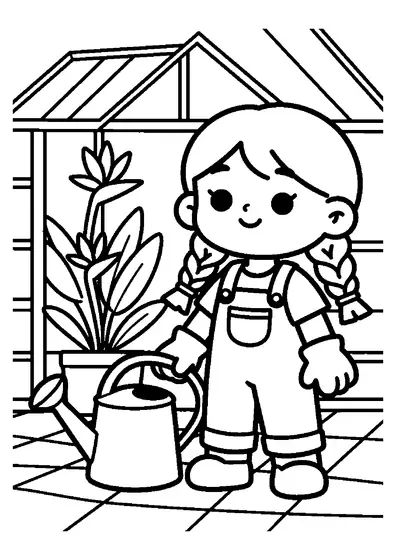
A young girl with pigtails observes miniature plants in a stone rock garden.

A4 format (portrait), black outlines on a white background · for home and classroom use
All coloring pages: Flower Coloring Pages
Similar coloring pages: Flower Coloring Pages




What else can you print? Free, no account needed
Custom Name Coloring Pages
Enter your child's name to generate a custom coloring page featuring large outline letters to color and decorate.
Open generator →Connect the Dots Generator
Eight connect-the-dots pictures across three difficulty levels. Features faint outline guides for younger children and dots only for older kids.
Open generator →Printables
Worksheets, tracing lines, mazes and dot-to-dots in A4.
Browse printables →
Exploring Miniature Alpine Rock Gardens
A girl styling her hair in pigtails examines an outdoor rock garden constructed with stacked stones and tiny alpine flora. The setup illustrates how specialized plant species can grow along rocky ledges and stone terraces.
Facts About Alpine Plants and Stone Terraces
Alpine plants adapted to cold mountain environments naturally develop dense cushion shapes that protect them from strong winds. Stone rock gardens reflect natural cliff environments, utilizing gravel and crushed rock to prevent water from remaining stagnant near root stems. Many high-altitude botanical species possess tiny thick leaves designed to reduce moisture loss under high summer exposure.
Natural Palette of Alpine Stone Gardens
- Alpine plant flowers: soft pink, yellow, icy blue, or pure white
- Alpine succulent leaves: grayish green, dusty olive, or deep jade
- Natural garden rocks: slate gray, quartz white, sand beige, or dark basalt
- Hair ribbons or bands: sky blue, pale red, or lavender
- Girl clothing: navy blue, light yellow, or sage green