
Gray Heron Among Forget-Me-Nots by a Pond
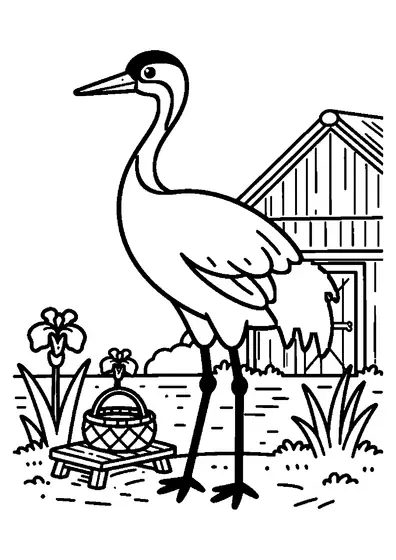
A gray heron stands quietly by a calm pond surrounded by blooming forget-me-nots and tall reeds.

A4 format (portrait), black outlines on a white background · for home and classroom use
All coloring pages: Flower Meadow Coloring Pages
Similar coloring pages: Flower Meadow Coloring Pages


What else can you print? Free, no account needed
Custom Name Coloring Pages
Enter your child's name to generate a custom coloring page featuring large outline letters to color and decorate.
Open generator →Connect the Dots Generator
Eight connect-the-dots pictures across three difficulty levels. Features faint outline guides for younger children and dots only for older kids.
Open generator →Printables
Worksheets, tracing lines, mazes and dot-to-dots in A4.
Browse printables →
Gray Herons in Freshwater Pond Habitats
Gray herons are large wading birds frequently seen along shallow freshwater ponds, lake shores, and quiet marshlands. These patient hunters stand motionless in shallow water near reeds and wetland flowers while waiting for small fish to swim within reach.
Facts About Herons and Pond Wildlife
Gray herons possess specialized neck vertebrae that fold into an S-shape, allowing them to strike forward with high speed when catching food. Bright blue forget-me-nots flourish in damp soil along pond margins, offering nectar to visiting insects while herons forage nearby.
Natural Colors of a Gray Heron and Pond Flora
- Gray heron feathers: ash gray, white, and slate blue
- Heron beak and legs: muted yellow or brownish orange
- Forget-me-not petals: sky blue with small yellow centers
- Pond reeds: olive green or light tan in autumn