
Mermaid Painting Patterns on a Sea Stone
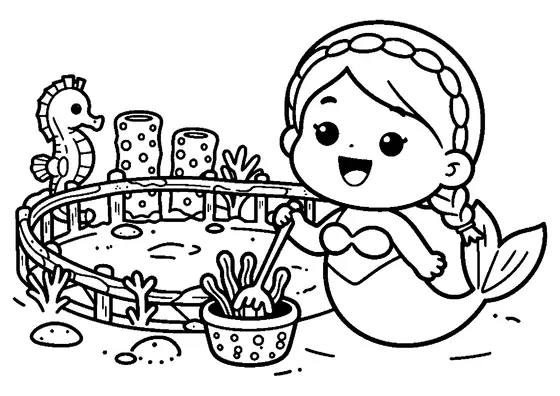
An artistic ocean scene depicts a mermaid painting patterns on a smooth sea stone among underwater ferns.

A4 format (portrait), black outlines on a white background · for home and classroom use
All coloring pages: Mermaid Coloring Pages
Similar coloring pages: Mermaid Coloring Pages


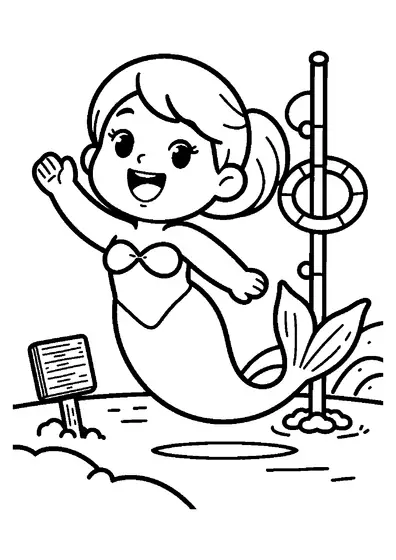

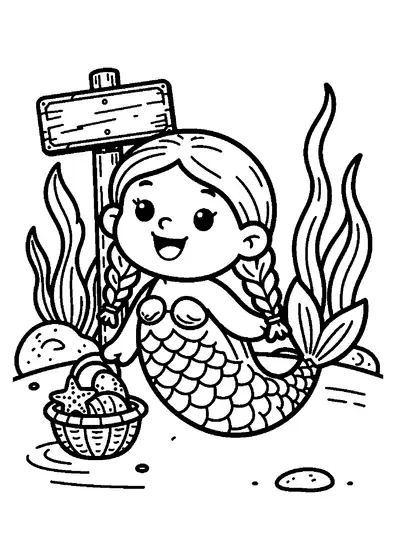
What else can you print? Free, no account needed
Custom Name Coloring Pages
Enter your child's name to generate a custom coloring page featuring large outline letters to color and decorate.
Open generator →Connect the Dots Generator
Eight connect-the-dots pictures across three difficulty levels. Features faint outline guides for younger children and dots only for older kids.
Open generator →Printables
Worksheets, tracing lines, mazes and dot-to-dots in A4.
Browse printables →
Painting Patterns on Submerged Sea Stones
In an underwater art studio, a mermaid uses natural dyes to decorate a smooth sea stone with intricate patterns. Lush underwater ferns grow around the creative workspace.
Submerged Art and Marine Ferns
Many underwater plants and algae produce natural pigments like chlorophyll, carotenoids, and phycobilins that create vibrant red, green, and brown dyes. Submerged ferns and aquatic flora adapt to low sunlight levels by developing thin leaves that maximize light absorption. Smooth sea stones are shaped by ocean currents tumbling rocks together over many years.
Colors of Marine Ferns and Dyes
- Underwater ferns: Deep emerald green, lime, or olive aquatic plant tones.
- Sea stone: Dark basalt gray, river rock gray, or slate blue.
- Natural dyes: Ochre red, indigo blue, and mineral yellow.
- Mermaid tail: Bright violet, turquoise, or golden amber.