
Mermaid by an Underwater Shell Altar
An ocean setting showcases a mythical sea maiden positioned near a carved shell shrine that displays a giant natural pearl.

A4 format (portrait), black outlines on a white background · for home and classroom use
All coloring pages: Mermaid Coloring Pages
Similar coloring pages: Mermaid Coloring Pages

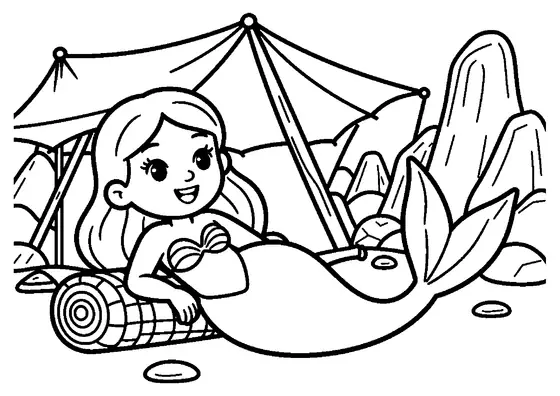


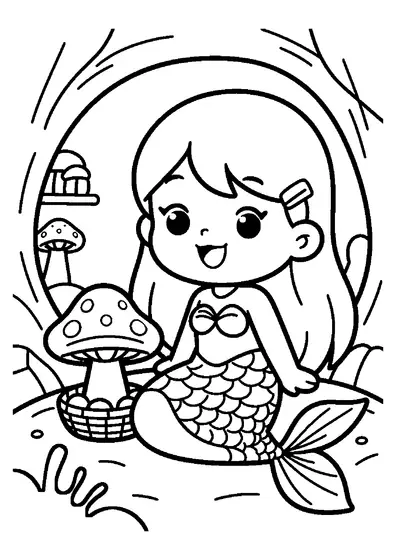
What else can you print? Free, no account needed
Custom Name Coloring Pages
Enter your child's name to generate a custom coloring page featuring large outline letters to color and decorate.
Open generator →Connect the Dots Generator
Eight connect-the-dots pictures across three difficulty levels. Features faint outline guides for younger children and dots only for older kids.
Open generator →Printables
Worksheets, tracing lines, mazes and dot-to-dots in A4.
Browse printables →
Sea Maiden at a Carved Shell Altar
An underwater scene depicts a mermaid wearing a crown of seashells while staying beside a carved shell altar. Resting atop this decorative ocean structure is a large gleaming pearl, creating a serene marine setting below the surface.
How Natural Pearls Form in the Ocean
Natural pearls develop inside mollusks such as oysters and mussels when an irritant gets trapped inside the shell. Over several years, the creature covers the particle with hundreds of microscopic layers of nacre. This slow natural process forms a smooth, reflective gem beneath the sea floor.
Natural Colors of Marine Shells and Pearls
- Giant pearl: Most natural ocean pearls feature iridescent shades of ivory, white, or subtle pale pink with a soft luster.
- Shell altar: Deep-sea shells often display soft sandy cream, muted tan, or light peach tones depending on ocean minerals.
- Seashell crown: Coastal seashells typically range from pearly white and soft beige to warm pinkish coral hues.
- Mermaid tail: Marine life in open ocean waters usually exhibits shades of seafoam green, teal, or deep ocean blue.