
Mermaid Above the Reef Canyon
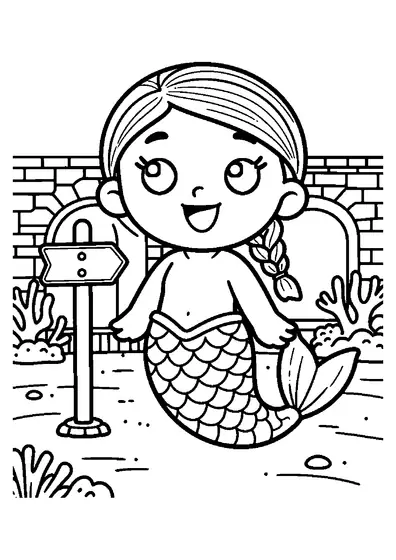
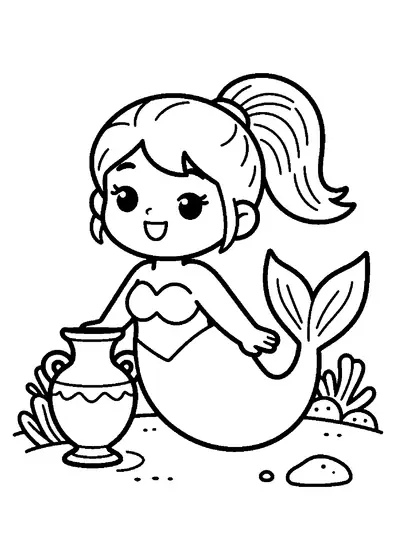
An underwater scene depicts a mythical mermaid gliding through ocean currents above a deep coral reef canyon holding a pearl shell.

A4 format (landscape), black outlines on a white background · for home and classroom use
All coloring pages: Mermaid Coloring Pages
Similar coloring pages: Mermaid Coloring Pages




What else can you print? Free, no account needed
Custom Name Coloring Pages
Enter your child's name to generate a custom coloring page featuring large outline letters to color and decorate.
Open generator →Connect the Dots Generator
Eight connect-the-dots pictures across three difficulty levels. Features faint outline guides for younger children and dots only for older kids.
Open generator →Printables
Worksheets, tracing lines, mazes and dot-to-dots in A4.
Browse printables →
Ocean Reef Canyon and Mermaid Scene
This depiction shows a mermaid traveling high above a steep underwater canyon formed by ancient ocean rock layers and ocean currents. Towering stone walls shape the seafloor, creating a marine landscape where shells resting on ledges hold ocean treasures like pearls.
Underwater Canyons in Marine Ecosystems
Deep ocean canyons form over millions of years through sea current erosion and tectonic movements. These submerged rock gorges often channel nutrient-rich water from deep currents toward coral reefs, creating vibrant habitats for diverse ocean life. Sea currents within reef channels help circulate oxygen and warmth across underwater geological formations.
Natural Colors of Marine Reefs
- Ocean water: shades of turquoise, deep blue, and seafoam green depending on sunlight depth
- Pearl shell: iridescent white, soft cream, and subtle pink undertones
- Reef canyon rocks: sandy brown, muted gray, ochre, and dark slate
- Mermaid tail: deep emerald green, sapphire blue, or shimmering violet