
Rapunzel by the Castle Sundial
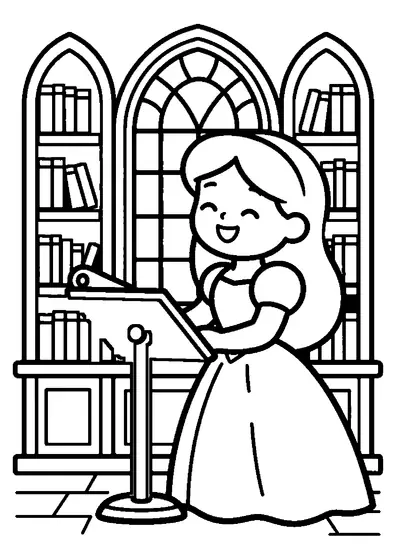
Wearing a long dress, princess Rapunzel stands next to an ancient stone sundial set within a palace courtyard garden.

A4 format (portrait), black outlines on a white background · for home and classroom use
All coloring pages: Fairy Tale Coloring Pages
Similar coloring pages: Fairy Tale Coloring Pages




What else can you print? Free, no account needed
Custom Name Coloring Pages
Enter your child's name to generate a custom coloring page featuring large outline letters to color and decorate.
Open generator →Connect the Dots Generator
Eight connect-the-dots pictures across three difficulty levels. Features faint outline guides for younger children and dots only for older kids.
Open generator →Printables
Worksheets, tracing lines, mazes and dot-to-dots in A4.
Browse printables →
Rapunzel Observing the Courtyard Sundial
Rapunzel stands in her long dress beside a carved stone sundial located within the palace courtyard garden. She observes how the sunlight casts a shadow across the stone marker to reveal the passing hours of the day.
How Sundials Work in Castle Gardens
Sundials rely entirely on the apparent movement of the sun across the sky to cast a sharp shadow onto hour markers on a flat surface. The gnomon, which is the angled triangular fin on top of the dial, must align with Earth's rotational axis to keep accurate time. Courtyard gardens were ideal locations for stone sundials because they received unobstructed sunlight throughout the entire day.
Colors of the Courtyard Scene
- Rapunzel's long dress: lavender, purple, or rose pink
- Stone sundial: natural gray granite or weathered limestone beige
- Rapunzel's long hair: golden yellow or sunlight blonde
- Courtyard stonework: cool gray, sandstone, or warm beige tone