
Fairy Godmother in the Castle Herb Room
A magical godmother handles dried herbs and flowers inside a quiet castle room dedicated to traditional plant care.

A4 format (portrait), black outlines on a white background · for home and classroom use
All coloring pages: Fairy Tale Coloring Pages
Similar coloring pages: Fairy Tale Coloring Pages
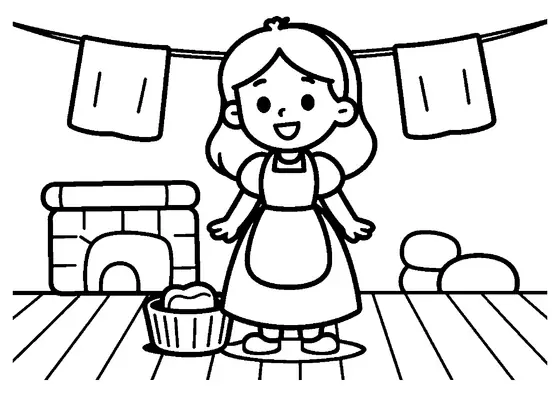

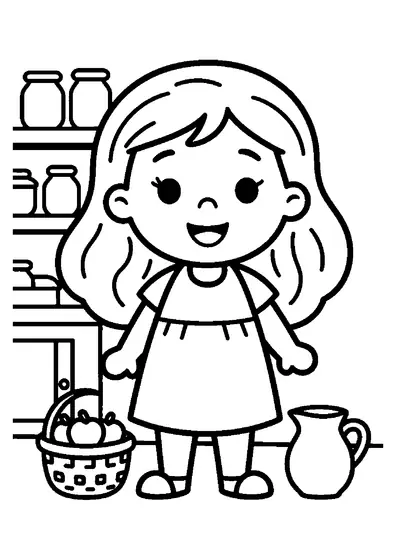
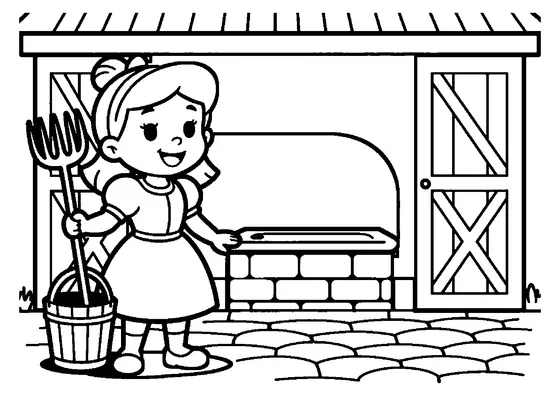


What else can you print? Free, no account needed
Custom Name Coloring Pages
Enter your child's name to generate a custom coloring page featuring large outline letters to color and decorate.
Open generator →Connect the Dots Generator
Eight connect-the-dots pictures across three difficulty levels. Features faint outline guides for younger children and dots only for older kids.
Open generator →Printables
Worksheets, tracing lines, mazes and dot-to-dots in A4.
Browse printables →
Magical Plant Care in a Castle Herb Room
Palace herb rooms served as vital spaces for drying, storing, and organizing flowers and botanical plants used for cooking and traditional medicine. A fairy godmother in folklore brings magical care to these quiet interior spaces, surrounded by bundled harvests hanging to dry.
Historical Uses of Castle Herb Gardens
Castle herb rooms were traditionally kept near kitchens or apothecary quarters to protect gathered plants from dampness and decay. Bundles of lavender, thyme, and rosemary were suspended upside down to preserve their aromatic oils and dried petals over winter months.
Natural Colors of Castle Herbs
- Fairy Godmother gown: classic soft pastel shades such as blue, lavender, or cream
- Fairy wings: iridescent white, translucent pale yellow, or light silver
- Dried herbs: muted olive green, earthy brown, and pale gray-green
- Dried flowers: deep burgundy, dusty pink, mustard yellow, and violet
- Castle interior walls: neutral stone gray, warm beige, or light taupe