
Wheelwright and Wooden Wagon Wheel
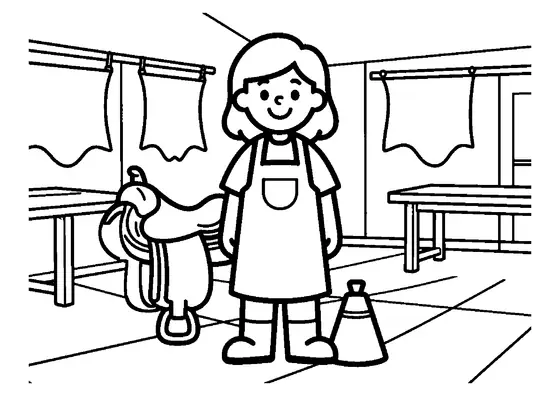
A traditional craftsman shapes a sturdy wooden wagon wheel inside his historical workshop space.

A4 format (landscape), black outlines on a white background · for home and classroom use
All coloring pages: Jobs and Professions Coloring Pages
Similar coloring pages: Jobs and Professions Coloring Pages




What else can you print? Free, no account needed
Custom Name Coloring Pages
Enter your child's name to generate a custom coloring page featuring large outline letters to color and decorate.
Open generator →Connect the Dots Generator
Eight connect-the-dots pictures across three difficulty levels. Features faint outline guides for younger children and dots only for older kids.
Open generator →Printables
Worksheets, tracing lines, mazes and dot-to-dots in A4.
Browse printables →
Traditional Crafting of Wooden Wagon Wheels
A wheelwright works carefully alongside a massive wooden wheel fitted with wide spokes. The workshop interior provides context for this historic trade, where skilled artisans constructed and repaired wheels for carts and wagons before motor vehicles existed.
Fascinating Facts About Wheelwrights
Wooden wheels required incredible precision to withstand heavy loads on rough roads. Artisans used dense hardwoods like oak for the hub and elm for the rim, securing everything with a tight iron tire heated over fire. This specialized trade was essential for transportation in towns and rural villages for centuries.
Natural Colors of Wooden Wheels and Workshops
- Wagon wheel: warm brown wood grain with dark gray iron rim
- Wheelwright apron: natural tan leather or heavy brown canvas
- Workshop workbench: weathered timber with dark metallic tools
- Spoke wood: light oak or pale hickory natural shade