
Snow Rescue Helper with a Shovel
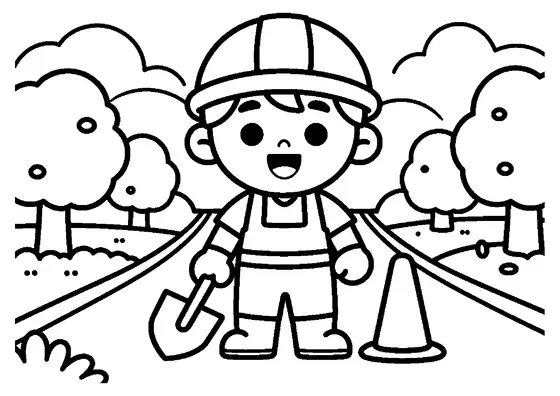
A snow rescue helper stands ready with a large shovel to clear paths during severe winter weather.

A4 format (portrait), black outlines on a white background · for home and classroom use
All coloring pages: Jobs and Professions Coloring Pages
Similar coloring pages: Jobs and Professions Coloring Pages


What else can you print? Free, no account needed
Custom Name Coloring Pages
Enter your child's name to generate a custom coloring page featuring large outline letters to color and decorate.
Open generator →Connect the Dots Generator
Eight connect-the-dots pictures across three difficulty levels. Features faint outline guides for younger children and dots only for older kids.
Open generator →Printables
Worksheets, tracing lines, mazes and dot-to-dots in A4.
Browse printables →
Snow Rescue Workers in Cold Climates
Snow rescue helpers assist communities during heavy winter weather by clearing blocked pathways and emergency access areas. Carrying a large shovel enables a snow helper to move dense snow drifts quickly and keep walkways safe.
Snow Removal and Winter Safety
Freshly fallen snow can quickly pack into dense, heavy layers that block emergency access routes. Manual shoveling remains a critical emergency technique when heavy machinery cannot navigate narrow snow-clogged spaces.
Real World Colors of Winter Rescue Gear
- Shovel blade: aluminum silver, bright red, or high-visibility yellow
- Shovel handle: natural light brown wood or dark black metal
- Snow helper winter coat: bright red, high-visibility orange, or deep blue
- Insulated winter boots: dark black or charcoal gray waterproof rubber