
Sewing Machine Repair Technician
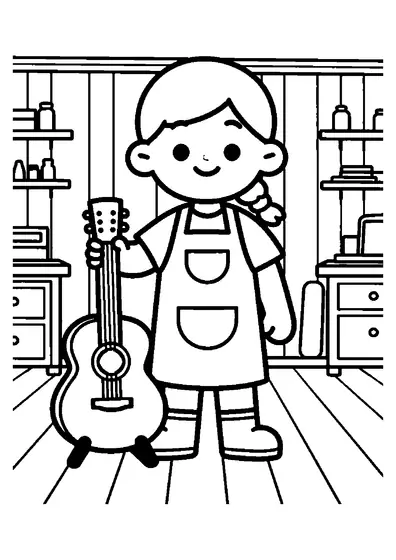
A skilled mechanic inspects a tailor's sewing machine inside a traditional mechanical workshop.

A4 format (landscape), black outlines on a white background · for home and classroom use
All coloring pages: Jobs and Professions Coloring Pages
Similar coloring pages: Jobs and Professions Coloring Pages

What else can you print? Free, no account needed
Custom Name Coloring Pages
Enter your child's name to generate a custom coloring page featuring large outline letters to color and decorate.
Open generator →Connect the Dots Generator
Eight connect-the-dots pictures across three difficulty levels. Features faint outline guides for younger children and dots only for older kids.
Open generator →Printables
Worksheets, tracing lines, mazes and dot-to-dots in A4.
Browse printables →
Mechanical Care for Tailor Sewing Equipment
This scene depicts a mechanic checking equipment used by tailors. A large sewing machine rests in the workspace near a foot pedal and an open tool box. Clear workshop elements frame the scene where mechanical repair work takes place.
How Mechanical Sewing Machines Function
Sewing machines rely on precise timing between the driving needle and the lower bobbin hook to interlock thread through fabric. Foot pedals allow operators to control stitching speed by varying electrical resistance or mechanical leverage. Maintenance technicians clean lint buildup, oil moving gears, and calibrate thread tension to prevent skipped stitches.
Genuine Colors of Sewing Machines and Workshop Gear
- Sewing machine body: Vintage cast-iron black, cream enamel, or white resin
- Mechanical foot pedal: Dark gray metal or black molded composite
- Metal tool box: Metallic gray, industrial green, or classic red
- Machine drive wheel: Chrome polished silver or matte black metal