
Triceratops by a Cave in Dinosaur Valley
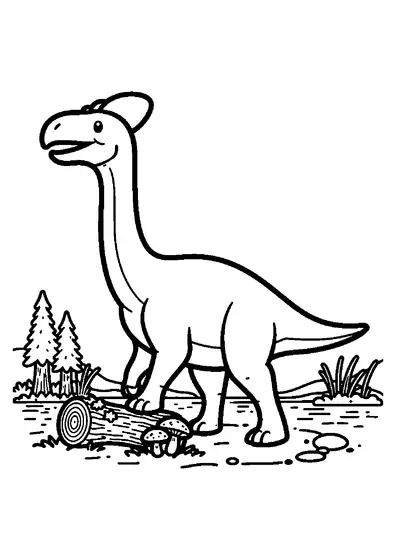
A herbivorous Triceratops stands near the entrance of a stone cave in a rugged prehistoric mountain valley.

A4 format (landscape), black outlines on a white background · for home and classroom use
All coloring pages: Herbivorous Dinosaur Coloring Pages
Similar coloring pages: Herbivorous Dinosaur Coloring Pages



What else can you print? Free, no account needed
Custom Name Coloring Pages
Enter your child's name to generate a custom coloring page featuring large outline letters to color and decorate.
Open generator →Connect the Dots Generator
Eight connect-the-dots pictures across three difficulty levels. Features faint outline guides for younger children and dots only for older kids.
Open generator →Printables
Worksheets, tracing lines, mazes and dot-to-dots in A4.
Browse printables →
Prehistoric Life of the Three-Horned Triceratops
Triceratops was one of the last big dinosaur species to walk the Earth during the Late Cretaceous period. Characterized by its massive neck frill and three sharp facial horns, this heavy plant-eater inhabited prehistoric valleys and forest edges. Standing outside rocky caves or cliff formations, these armored herbivores used their sharp beaks to shear tough prehistoric foliage.
Defensive Horns and Natural Prehistoric Environments
The large skull of Triceratops, which could reach up to one-third of its total body length, featured a large solid frill that protected its neck. Scientists believe its prominent facial horns were used both for defense against predators like Tyrannosaurus rex and for display during interactions with other herd members. Roaming ancient rocky landscapes, these heavy creatures relied on their quadrupedal stance for balance.
Reconstructed Colors of Triceratops and Prehistoric Valleys
- Triceratops thick hide: earthy olive green, grayish brown, or muted tan
- Skull horns and beak: pale horn ivory, off-white, or dark beige
- Rocky cave entrance: slate gray, dark stone brown, or charcoal
- Valley ground and rocks: dusty brown earth and reddish clay