
Portrait of a Noblewoman in an Embroidered Renaissance Gown
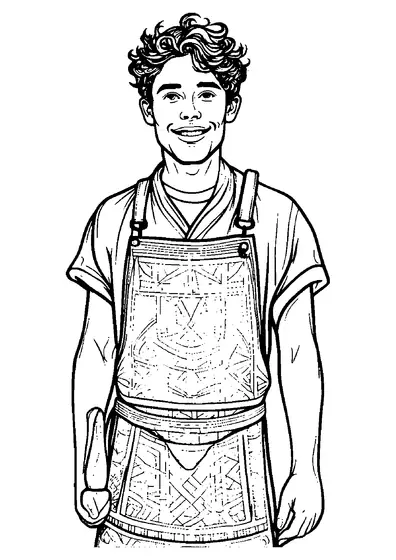
A noblewoman with pinned-up hair wears a dress decorated with traditional Renaissance embroidery.

A4 format (portrait), black outlines on a white background · for home and classroom use
All coloring pages: Adult Coloring Pages
Similar coloring pages: Adult Coloring Pages


Noblewoman in a Renaissance Gown
The portrait presents a woman with neatly pinned-up hair wearing a traditional gown adorned with Renaissance patterns. Tailored garments from this era highlighted social status through rich embroidery and structured silhouettes.
Renaissance Fashion and Embroidery
During the Renaissance, wealthy aristocrats wore heavy clothing made of velvet, silk, and brocade. Embroidery was executed by skilled craftspeople using real gold or silver threads to create geometric and floral motifs. Elaborate hairstyles with pearls and netting reflected contemporary nobility trends across European courts.
Natural Colors of Renaissance Attire
- Renaissance gown fabric: Rich deep red, navy blue, or dark green velvet
- Embroidery threads: Metallic gold, bright yellow, or silver
- Pinned-up hair: Natural shades of chestnut brown, golden blonde, or raven black
- Skin tone: Pale ivory or warm peach