
Tiger Moth on Tree Bark
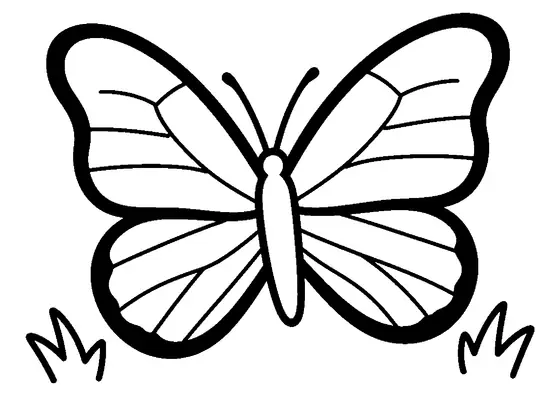
A large tiger moth rests with its patterned wings spread wide against the rough surface of tree bark.

A4 format (portrait), black outlines on a white background · for home and classroom use
All coloring pages: Woodland Animal Coloring Pages
Similar coloring pages: Woodland Animal Coloring Pages




What else can you print? Free, no account needed
Custom Name Coloring Pages
Enter your child's name to generate a custom coloring page featuring large outline letters to color and decorate.
Open generator →Connect the Dots Generator
Eight connect-the-dots pictures across three difficulty levels. Features faint outline guides for younger children and dots only for older kids.
Open generator →Printables
Worksheets, tracing lines, mazes and dot-to-dots in A4.
Browse printables →
Tiger Moth Spread on Tree Bark
The depiction shows a large tiger moth resting on a broad tree trunk with its open wings on display. Distinctive spots and patterns cover the wings, presenting a peaceful nighttime forest scene.
Remarkable Traits of Tiger Moths
Many species of tiger moths feature bold geometric patterns on their wings to warn potential predators that they taste unpleasant. Some nocturnal tiger moths can produce ultrasonic clicking sounds to confuse hunting bats and prevent mid-air attacks.
Real-Life Colors of the Tiger Moth
- Tiger moth forewings: dark brown or black with cream streaks
- Tiger moth hindwings: bright orange or crimson red with dark blue spots
- Moth body and abdomen: bright orange with dark stripes
- Tree bark surface: deep gray, dark brown, or charcoal