
Leech on a Rock by the Water
A segmented leech rests on a damp rock right beside the water.

A4 format (portrait), black outlines on a white background · for home and classroom use
All coloring pages: Woodland Animal Coloring Pages
Similar coloring pages: Woodland Animal Coloring Pages
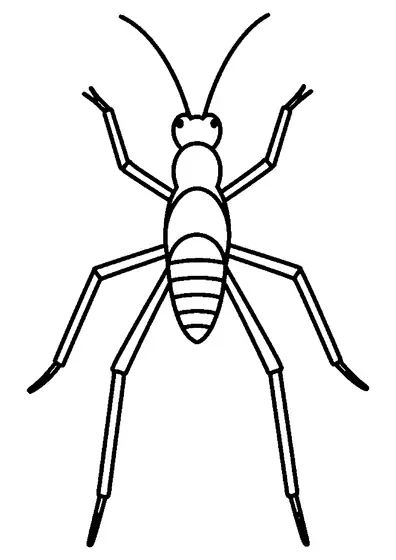
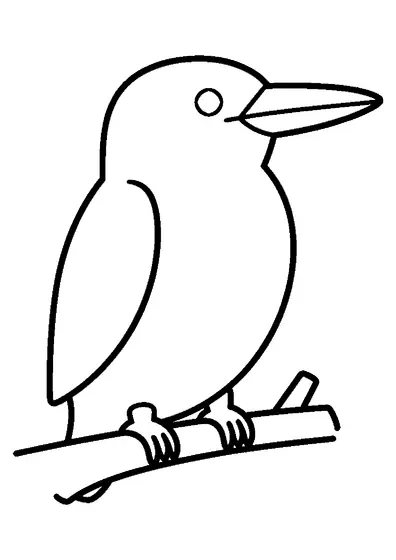


What else can you print? Free, no account needed
Custom Name Coloring Pages
Enter your child's name to generate a custom coloring page featuring large outline letters to color and decorate.
Open generator →Connect the Dots Generator
Eight connect-the-dots pictures across three difficulty levels. Features faint outline guides for younger children and dots only for older kids.
Open generator →Printables
Worksheets, tracing lines, mazes and dot-to-dots in A4.
Browse printables →
A Leech Lying on a Streamside Rock
A leech with a segmented body is depicted from an overhead angle as it rests on a rock near the water. Its elongated body shape and rounded suction discs stand out clearly.
Natural Facts About Leeches
Leeches live primarily in slow-moving freshwater environments such as muddy ponds, marshes, and quiet lake margins. They move across solid surfaces using a looping motion by alternately attaching their front and rear suckers to stones or debris. Many leech species feed on small invertebrates like snails and aquatic worms rather than larger animals.
Colors of a Leech in Nature
- Leech dorsal surface: dark olive-green, brown, or black, often with subtle stripes
- Leech suckers: paler grayish-brown or dusky yellowish-green
- Streamside rock: dark gray, slate, or brownish-gray when damp
- Leech belly: light yellowish-brown or mottled orange-brown pattern