
Earwig Under a Leaf
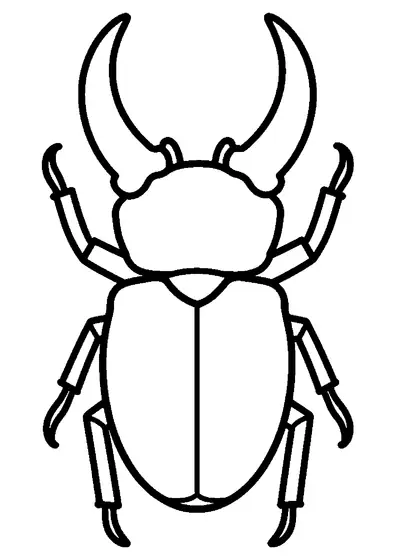
An earwig rests near a fallen leaf in a quiet outdoor setting.

A4 format (landscape), black outlines on a white background · for home and classroom use
All coloring pages: Woodland Animal Coloring Pages
Similar coloring pages: Woodland Animal Coloring Pages



What else can you print? Free, no account needed
Custom Name Coloring Pages
Enter your child's name to generate a custom coloring page featuring large outline letters to color and decorate.
Open generator →Connect the Dots Generator
Eight connect-the-dots pictures across three difficulty levels. Features faint outline guides for younger children and dots only for older kids.
Open generator →Printables
Worksheets, tracing lines, mazes and dot-to-dots in A4.
Browse printables →
Earwig Standing Next to a Leaf
This illustration features an earwig characterized by the prominent curved pincers attached to the end of its abdomen. Positioned alongside a garden leaf, the insect appears in a calm and clear arrangement that highlights its natural structure.
Interesting Facts About Earwigs
Despite popular myths, earwigs do not crawl into human ears to lay eggs. They prefer dark, moist environments under leaves, stones, or rotting wood, where they seek shelter during the day. Earwigs are actually beneficial garden scavengers that feed on decaying plant material and tiny garden pests like aphids.
Natural Colors of the Earwig
- Earwig body: dark reddish-brown or chestnut
- Abdomen pincers: yellowish-brown or amber
- Legs: pale yellow or light tan
- Leaf: deep green or olive brown