
Plains Zebra Beside a Fallen Acacia Tree
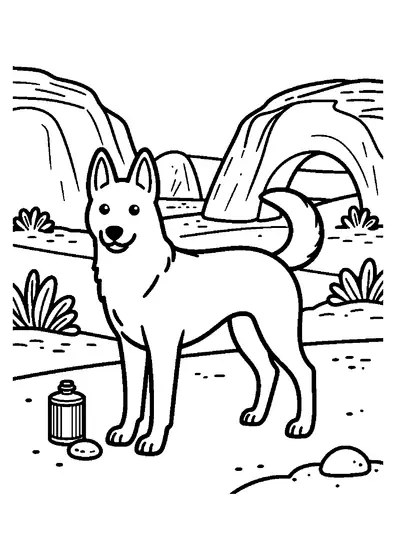
A striped plains zebra pauses beside a fallen acacia tree across the open savanna.

A4 format (portrait), black outlines on a white background · for home and classroom use
All coloring pages: Wild Animal Coloring Pages
Similar coloring pages: Wild Animal Coloring Pages


What else can you print? Free, no account needed
Custom Name Coloring Pages
Enter your child's name to generate a custom coloring page featuring large outline letters to color and decorate.
Open generator →Connect the Dots Generator
Eight connect-the-dots pictures across three difficulty levels. Features faint outline guides for younger children and dots only for older kids.
Open generator →Printables
Worksheets, tracing lines, mazes and dot-to-dots in A4.
Browse printables →
Plains Zebra on the Savanna
This scene features a plains zebra standing near a fallen acacia tree in an African savanna landscape. The zebra remains vigilant while surrounded by open grasslands and sun-exposed terrain.
Savanna Wildlife Adaptations
Plains zebras are highly adaptable grazers that travel in family groups across African grasslands in search of fresh pasture. Fallen trees and woody vegetation provide shelter for smaller wildlife and return essential nutrients to the soil over time. Zebras depend on keen eyesight and acute hearing to stay alert to potential predators while grazing.
Natural Color Guide for a Plains Zebra
- Zebra body stripes: Bold black and white patterns across the torso and legs
- Zebra muzzle: Dark charcoal gray or soft black
- Acacia tree bark: Rough reddish brown to dark gray
- Savanna grass: Golden yellow in the dry season or bright green after rainfall