
Ladybug in a Field of Blue Flax
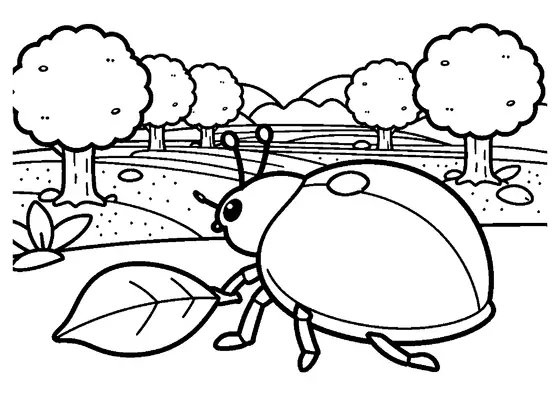
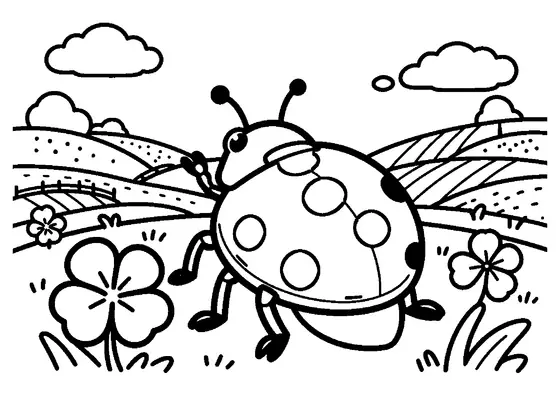
A low-angle view highlights a ladybug resting on a slender leaf within a wide, open field of swaying blue flax plants.

A4 format (portrait), black outlines on a white background · for home and classroom use
All coloring pages: Ladybug Coloring Pages
Similar coloring pages: Ladybug Coloring Pages


What else can you print? Free, no account needed
Custom Name Coloring Pages
Enter your child's name to generate a custom coloring page featuring large outline letters to color and decorate.
Open generator →Connect the Dots Generator
Eight connect-the-dots pictures across three difficulty levels. Features faint outline guides for younger children and dots only for older kids.
Open generator →Printables
Worksheets, tracing lines, mazes and dot-to-dots in A4.
Browse printables →
A Ladybug in a Swaying Flax Field
Viewed from a ground-level perspective, this countryside landscape shows a ladybug sitting on a flax leaf. Slender stems of flax plants sway across the open field, framed by a broad horizon in the background.
Blue Flax and Field Environments
Blue flax is a delicate flowering plant grown both in wild meadows and as a crop for its strong fibers and nutrient-rich linseed oil. Each flax flower blooms for only a single day, opening in the early morning sun and dropping its petals by late afternoon. From a low perspective near the ground, flax fields form a dense jungle of tall, thin stems where ladybugs can easily climb between plants in search of food.
Accurate Colors of Blue Flax Plants
- Ladybug shell: bright orange-red with black spots
- Flax flowers: soft sky blue or violet-blue
- Flax stems and leaves: slender lime green or pale olive
- Open field ground: medium brown or tan soil
- Distant landscape: soft blue-gray horizon or muted green hills